Hi, I'm Zachary Wolter, a Mechanical Engineering student at Olin College of Engineering with a passion for designing, analyzing, and building mechanical systems. I'm motivated by the entire engineering process, from early sketches and CAD modeling to manufacturing, testing, and refinement.
At Olin, I've contributed to multidisciplinary teams in aerospace, robotics, and automotive engineering. I'm currently on Olin Aero, where I am developing a unique structural system for this year's VTOL aircraft.I'm also on Olin Baja, where I work on the Drivetrain Subteam, manufacturing components for the transmission. I enjoy combining simulation and hands-on fabrication to bring complex designs to life.
This portfolio showcases my projects and growth as an engineer, highlighting how I apply theory, creativity, and precision to turn ideas into reality.
Ongoing contributions to Olin Aero Team for this year's SUAS competition.
Group Project to design and build an Accessibility-focused automatic food serving device
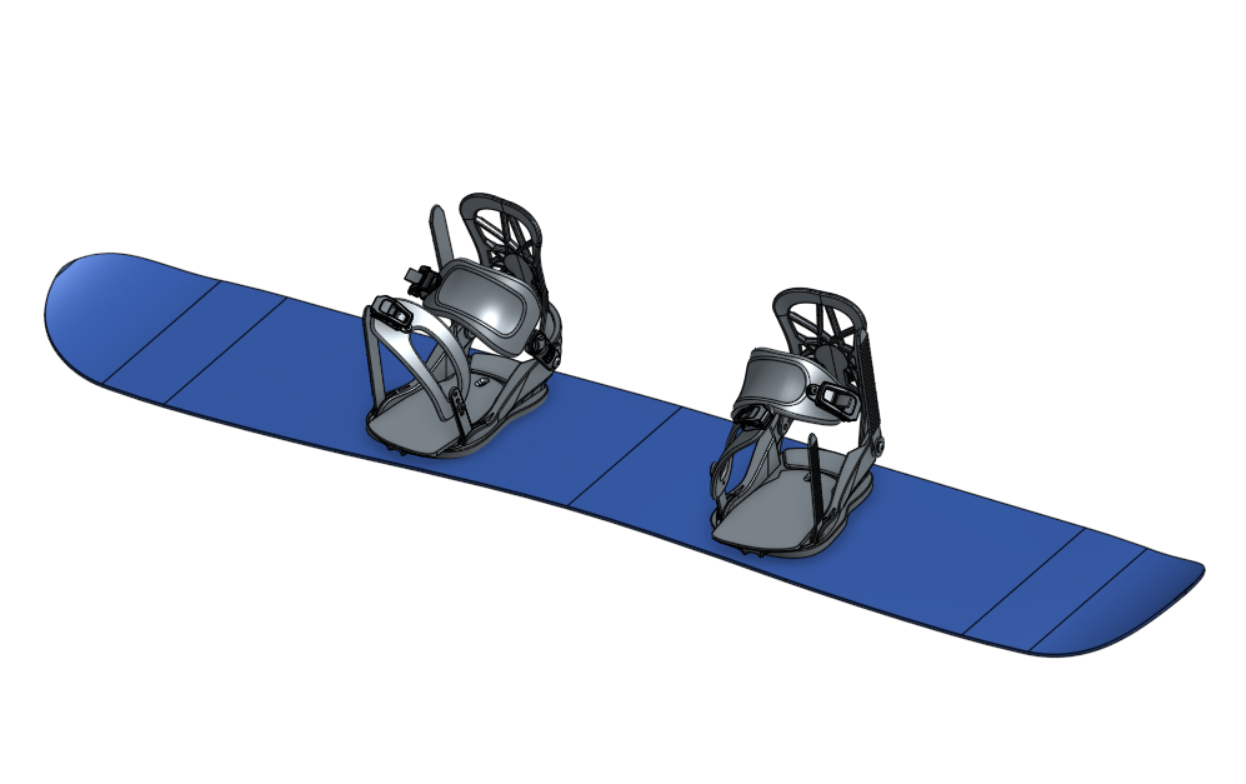
Ongoing Independent Project to build a snowboard
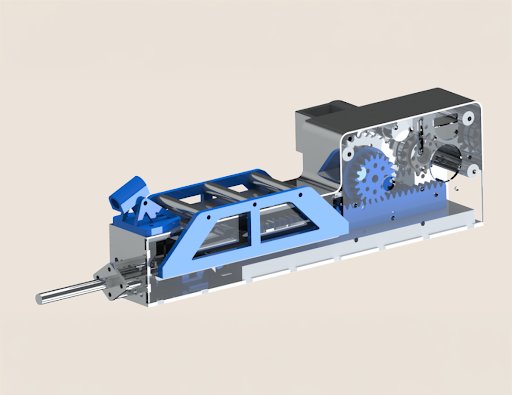
Group Project to create an Accessibility-focused DC-powered Handheld Pool Launcher.
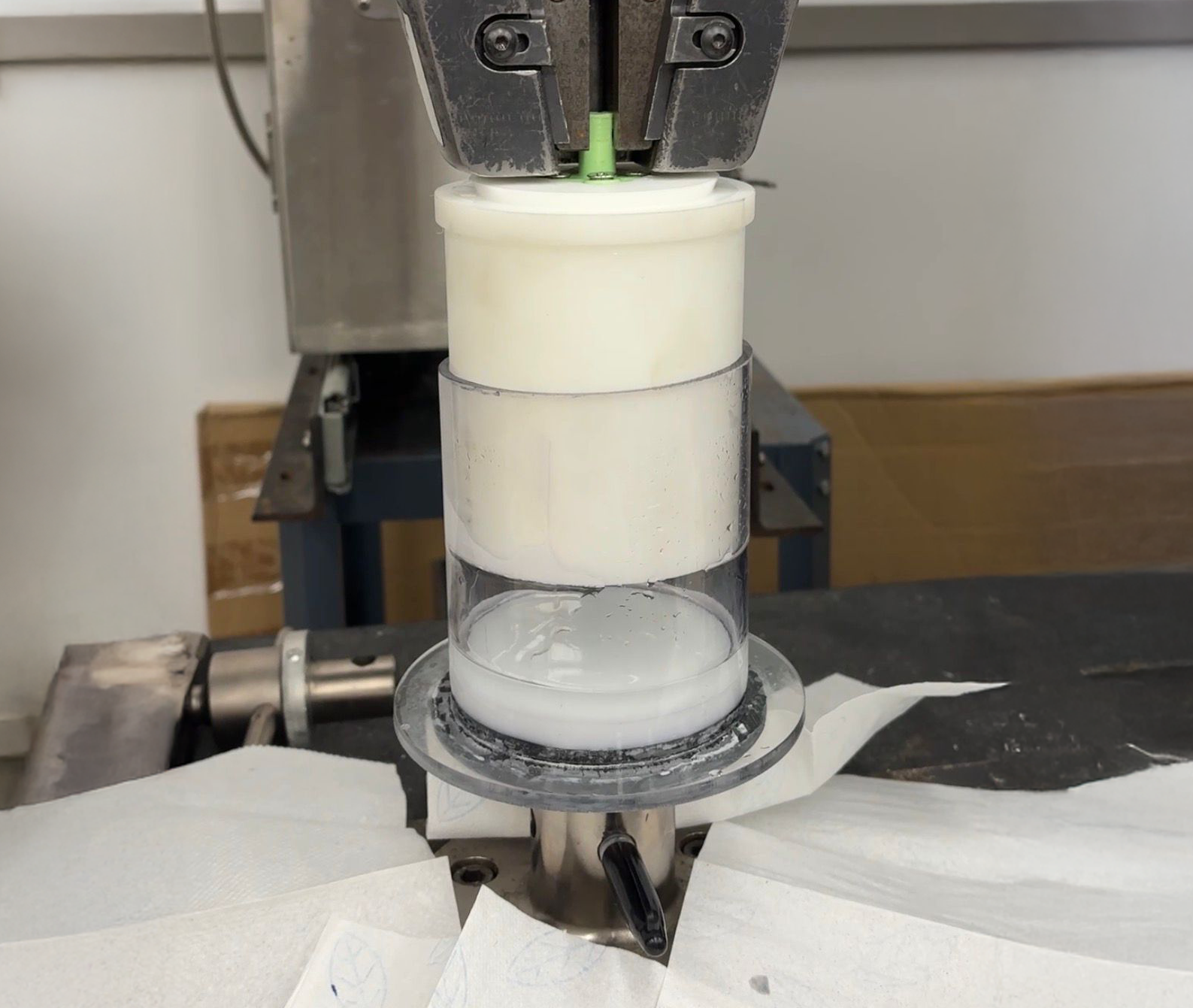
Design and Validation of a Couette Flow Viscometer
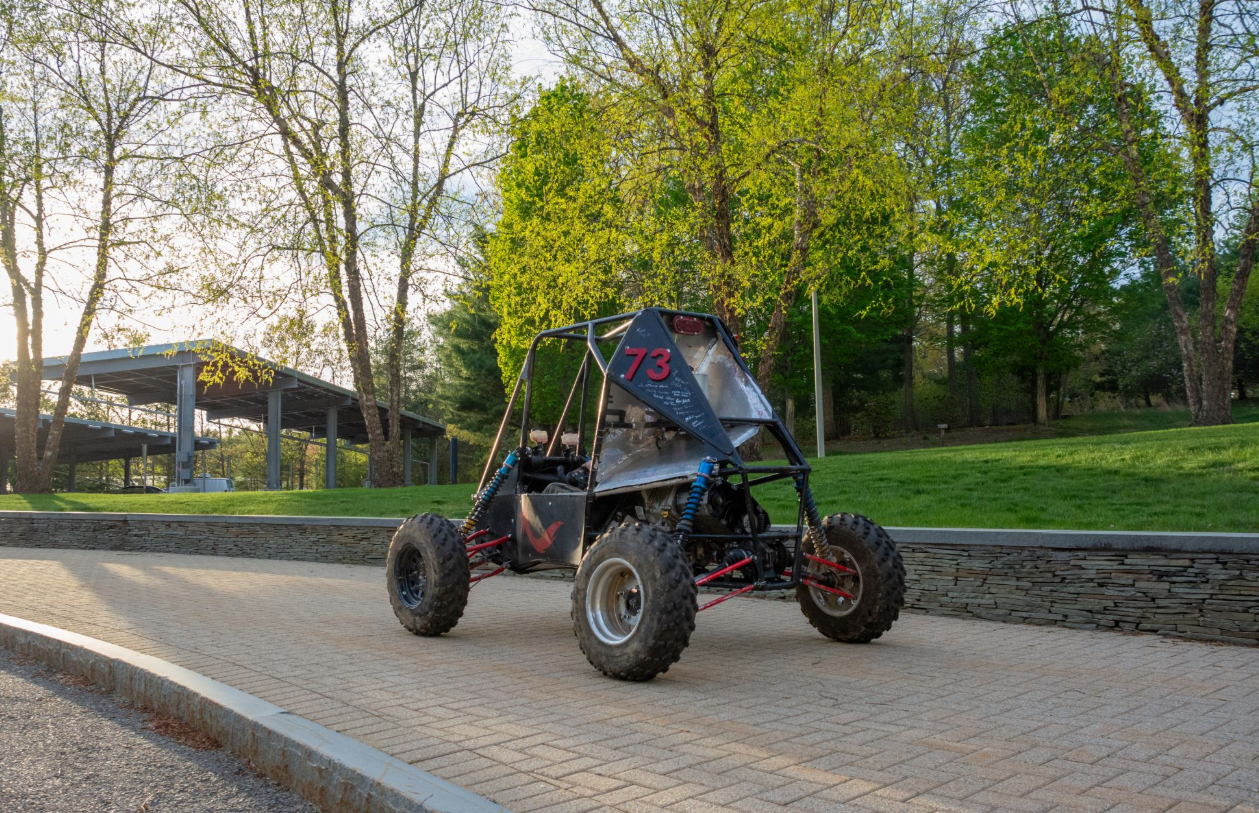
Ongoing contributions to Olin Baja SAE Team for this year's competition.
Original 3D-printed Lamp inspired by mid-century modern architecture.
Hand-powered automata inspired by my passion for snowboarding.
3D Scanner using Arduino, 2 Servos, & IR Sensor
Various personal projects pertaining to wood that I have completed.
Hopper inspired by the biomechanisms of a click beetle
Lasercut box using 6 joints and 4 fasteners.
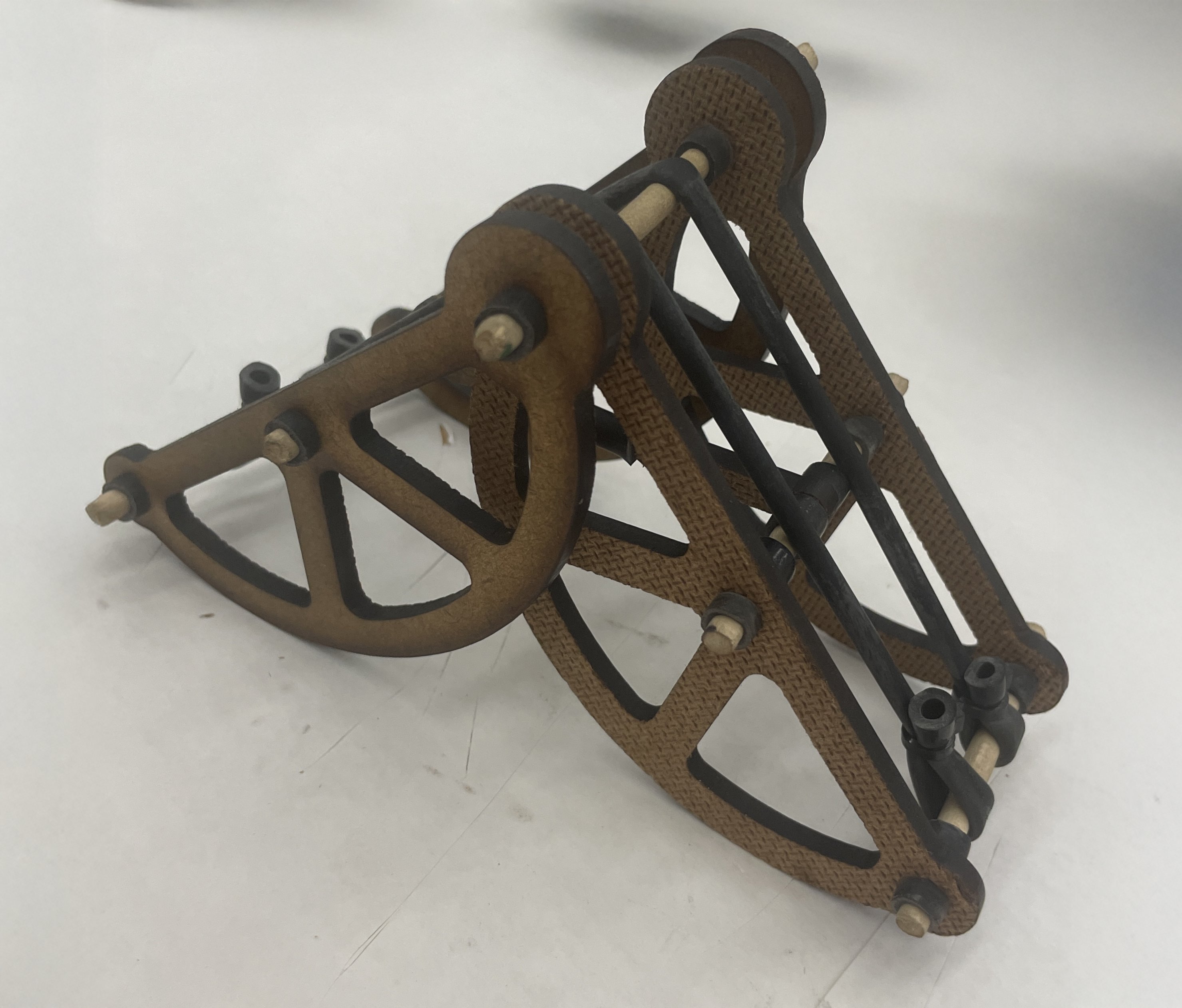
The Motor Powered Pool Cue Launcher was a team project created for Olin's "Unique to Olin" theme. Inspired our bustling pool tables, our team designed a motor powered device that launches a pool cue at adjustable speeds with the pull of a trigger. From the beginning, we focused on accessibility, creating a way for people with limited mobility to enjoy the game of pool without needing to physically strike the ball. The sculpture incorporated several mechanical and electrical systems including a chain drive, rack and pinion, variable trigger, and a surgical tubing launcher, all powered by a 25 RPM DC motor, supplied from an onboard battery, and operated by a bidirectional switch. Each system was carefully designed to meet strict constraints on size, weight, and material use while helping each team member build their fabrication and design skills.
Throughout the process, we refined our CAD models, tested prototypes, and solved problems related to interference and tight tolerances. We fabricated parts using the laser cutter, lathe, mill, plasma cutter, waterjet, and 3D printer, learning how to achieve precise fits and reliable motion without friction. The project strengthened our understanding of applied mechanics, precision fabrication, and teamwork in complex design. In the end, we built a functional, compact, and inclusive device that combined creativity, mechanical design, and accessibility into one cohesive project.
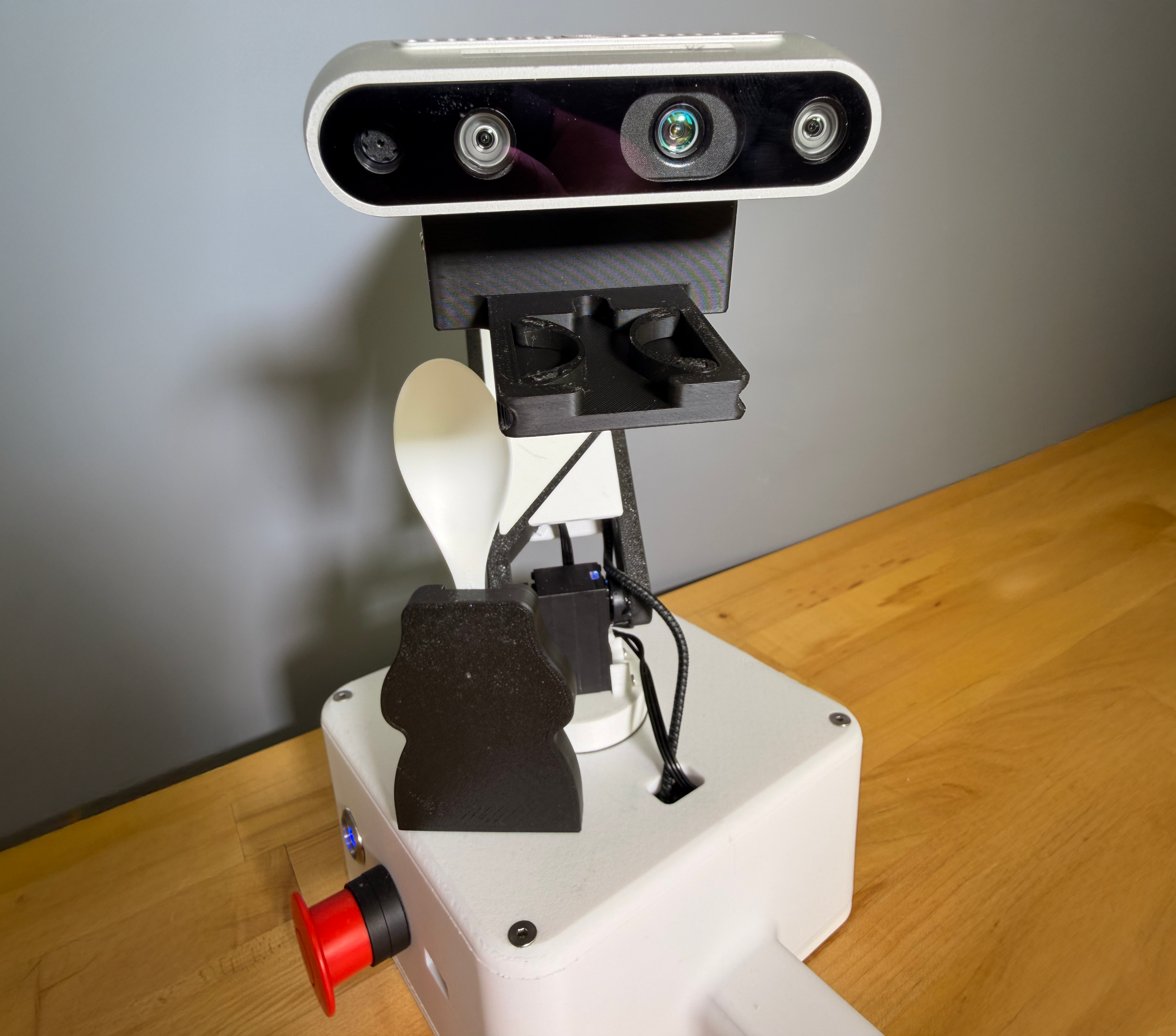
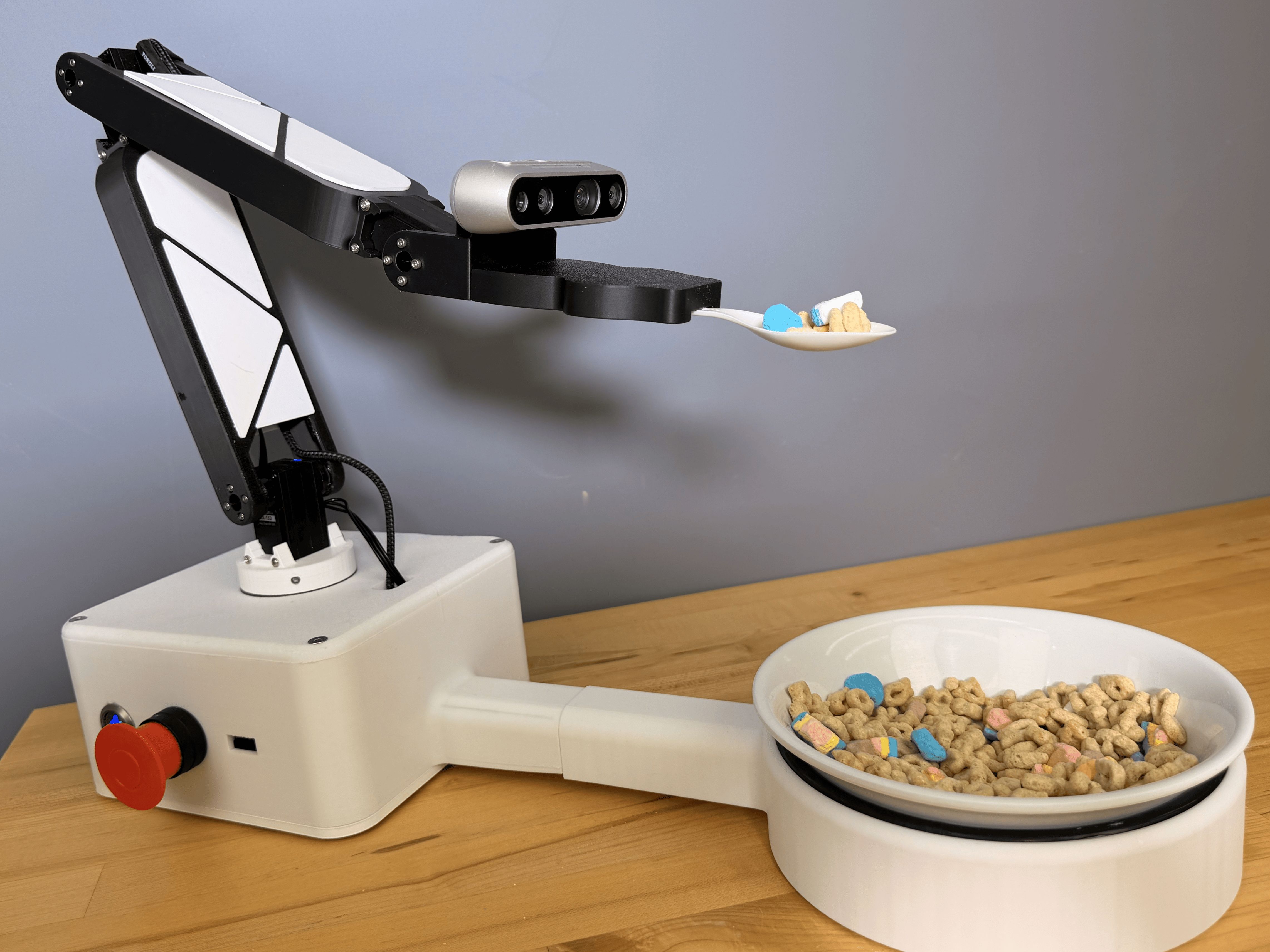
Munchkin is an assistive feeding device that combines robotics, computer vision, and embedded systems to create an affordable solution for individuals with limited upper body mobility.Using a 4 DOF robotic arm, and a robust mouth detection system, Munchkin efficiently and safely delivers food to users.
In addition to working on the broader mechanical design and testing, my primary individual contribution was the end-effector interface and utensil-swapping mechanism. The end-effector is mounted to the final motor of the arm and permanently houses our camera, while a separate sliding mechanism allows a fork or spoon to be easily attached and removed depending on the current food. The design prioritizes ease of use and longevity through easily replaceable 3D-printed arches, with a strong focus on minimal size and weight to reduce motor load and maintain smooth, stable arm motion.
Check out our interactive website for more.
The Couette Flow Viscometer was a group project for Olin's Thermo 1 course, focused on designing, building, and validating a device capable of measuring fluid viscosity from first principles. An Instron tensile testing machine pulled a piston upward through a viscous fluid at a precisely controlled constant velocity while continuously measuring the resistive force. The liquid in the gap between the piston and container walls is sheared as the piston moves, creating a resistive force directly proportional to the fluid's viscosity. This allowed dynamic viscosity to be extracted simply from the measured force data.
What made this project valuable was the troubleshooting process. Initial results did not match the model, and through investigation we identified and corrected an unmodeled suction effect, after which the apparatus produced results closely matching the analytical prediction.
This work is ongoing and will fill with additional content in the future.
As a member of Olin Baja, I contribute to the Drivetrain Subteam, helping design, build, and refine components for our off-road vehicle.
Within the Drivetrain subteam, I focus on writing CAM programs and manufacturing precision components for the transmission system, ensuring smooth power delivery and reliability under demanding off-road conditions. Through this work, I have gained valuable hands-on experience with both manual and CNC machining, deepening my understanding of how design decisions translate into manufacturable, high-performance parts.
This work is ongoing and will fill with additional content in the future.
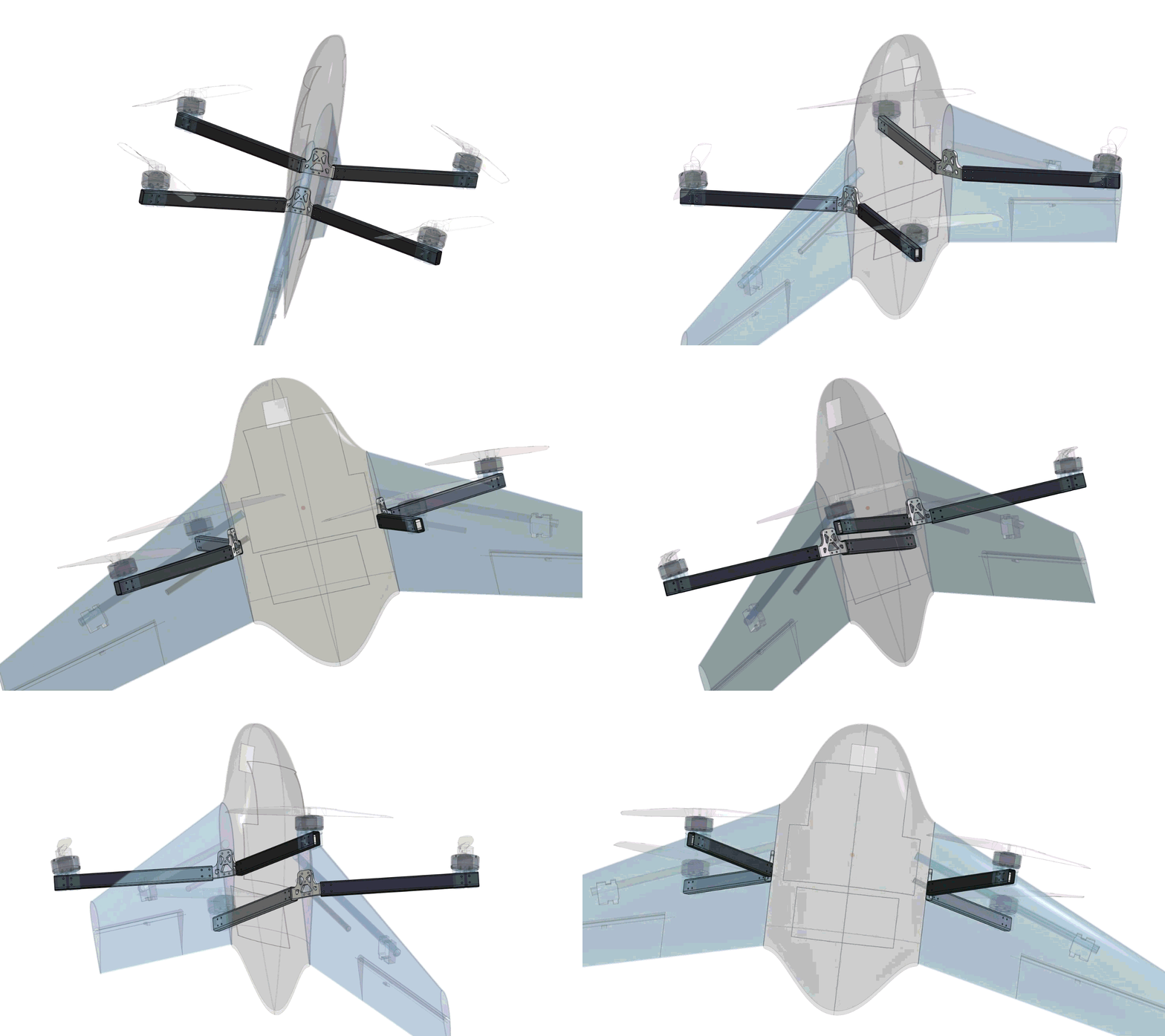
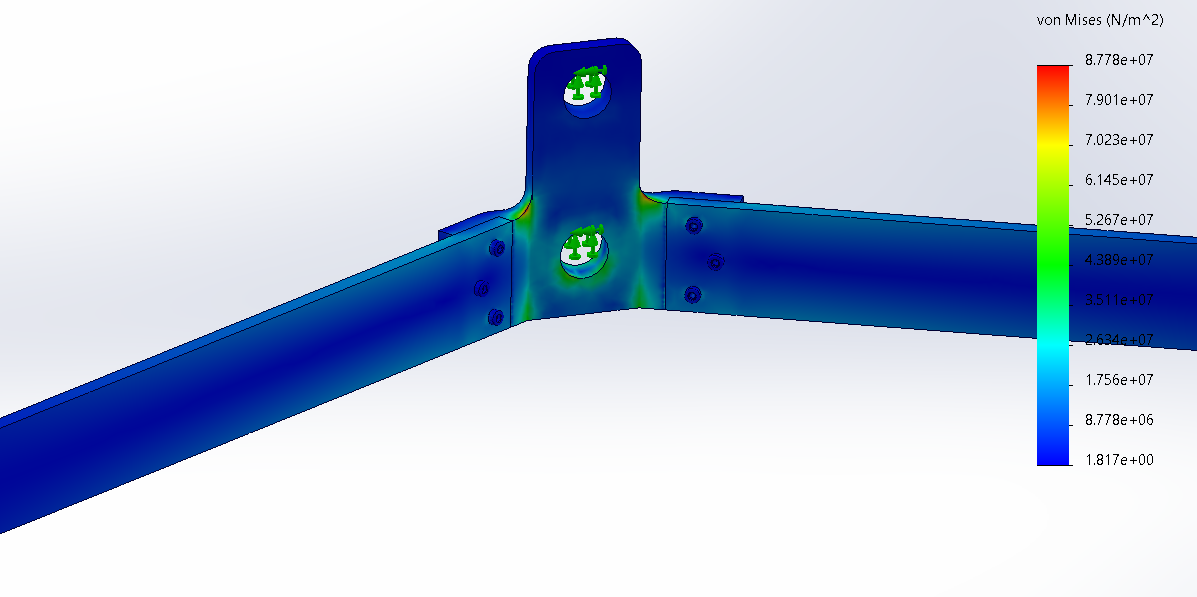
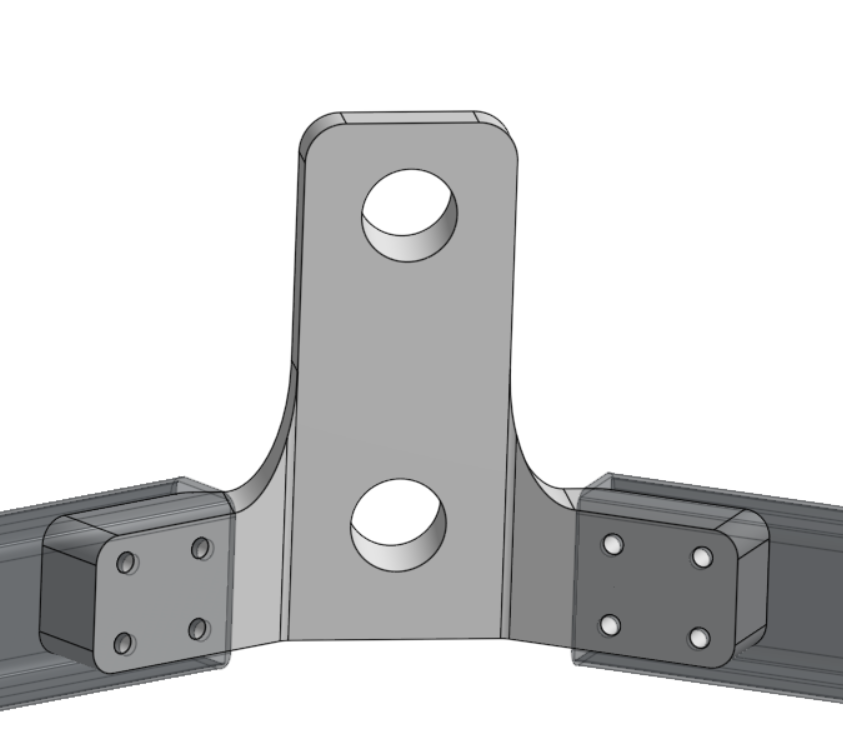
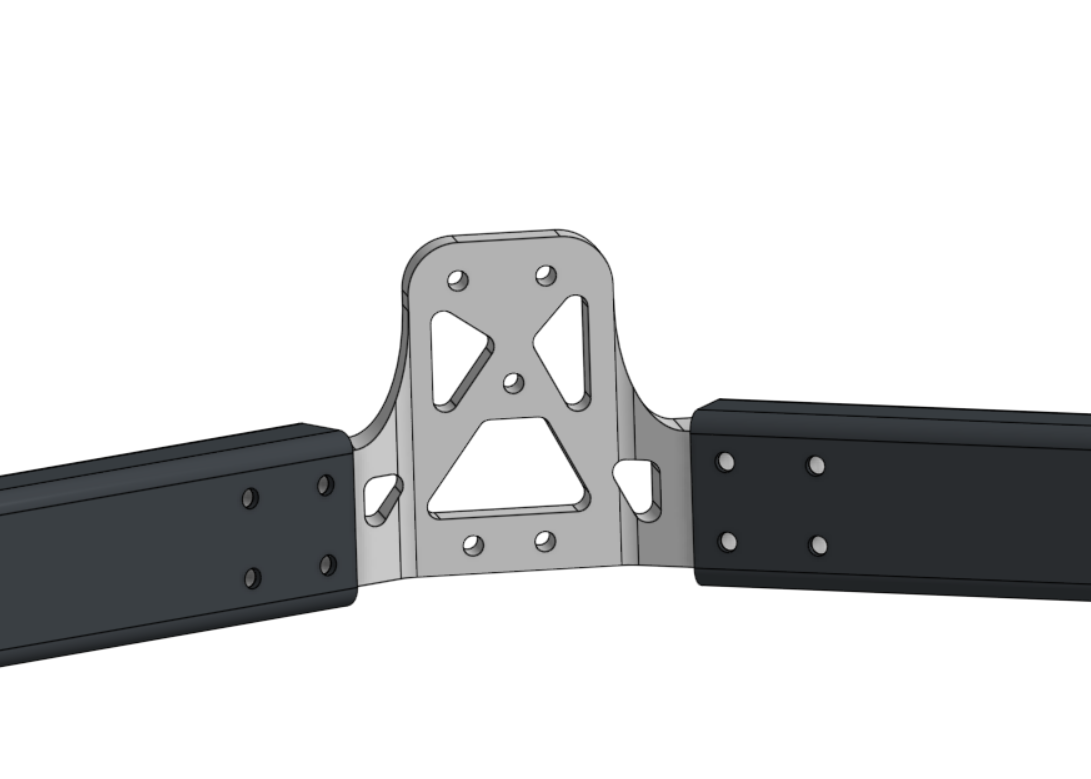
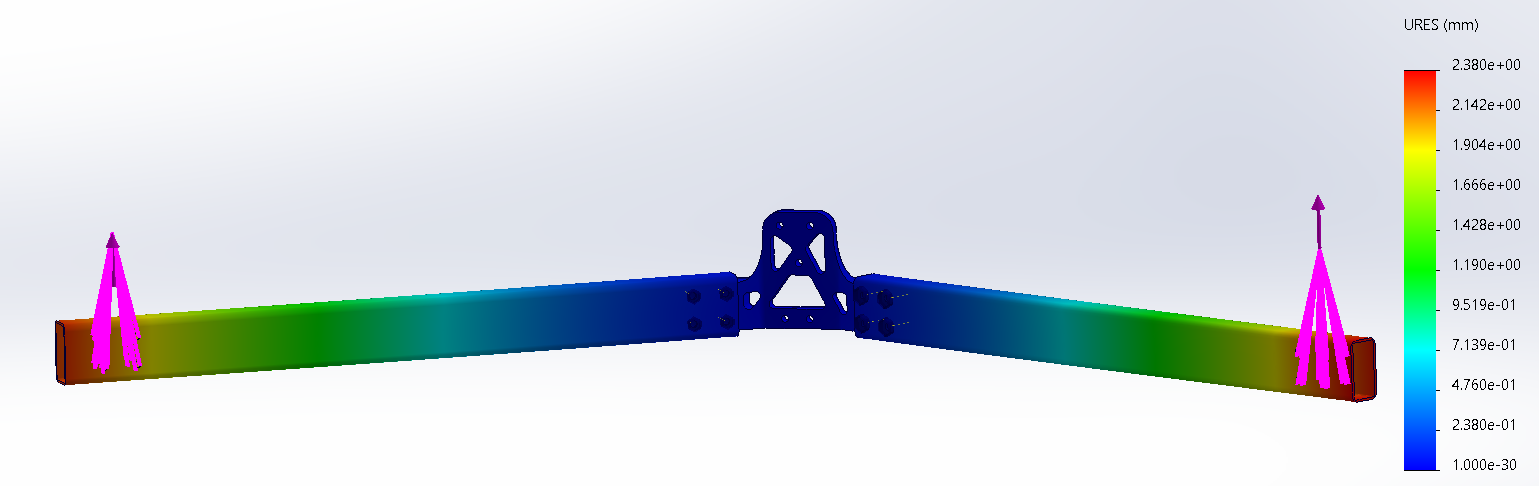
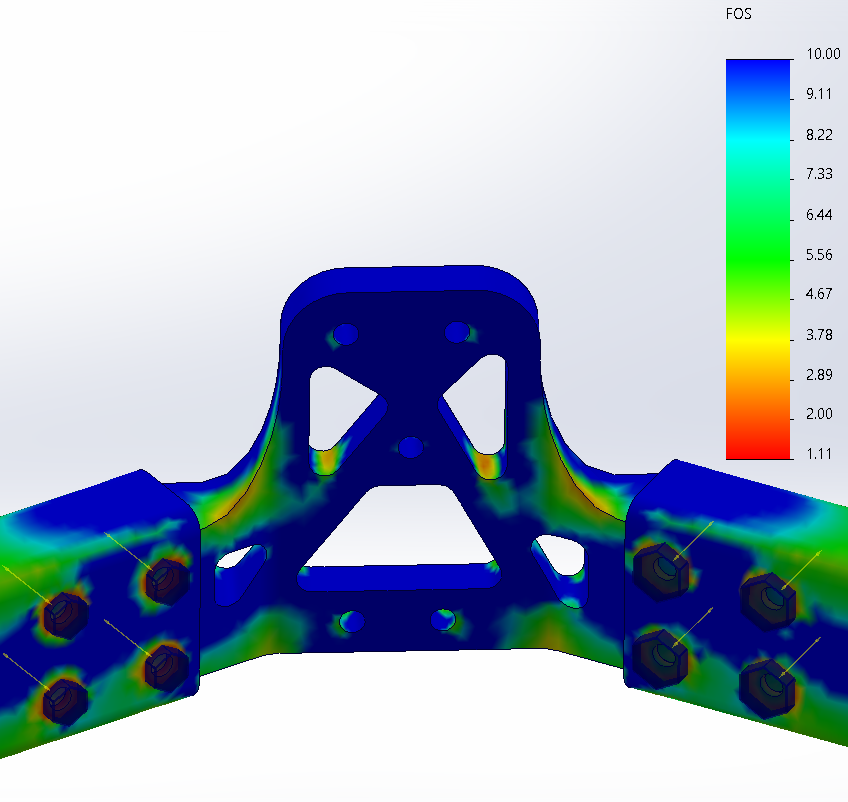
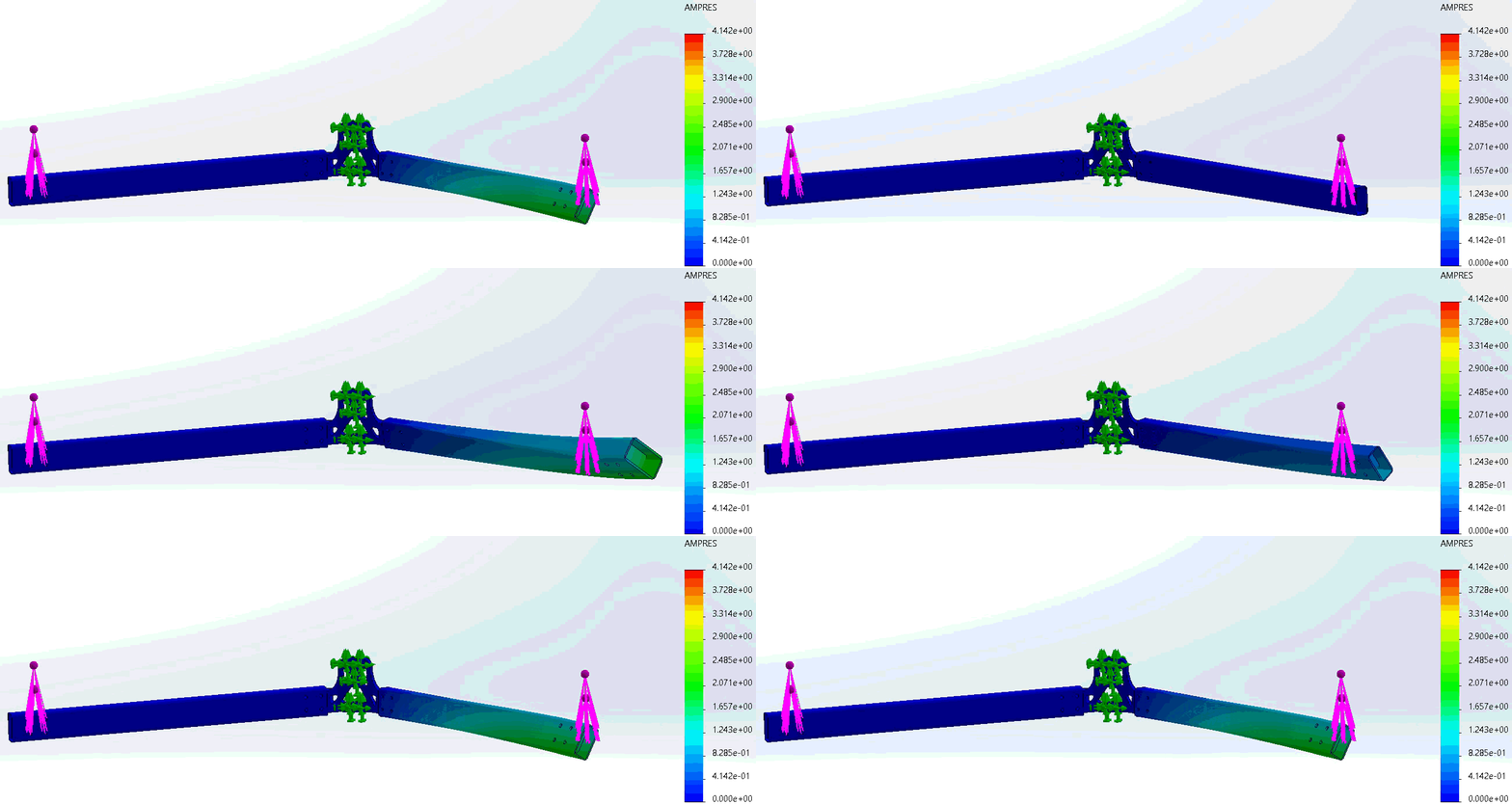
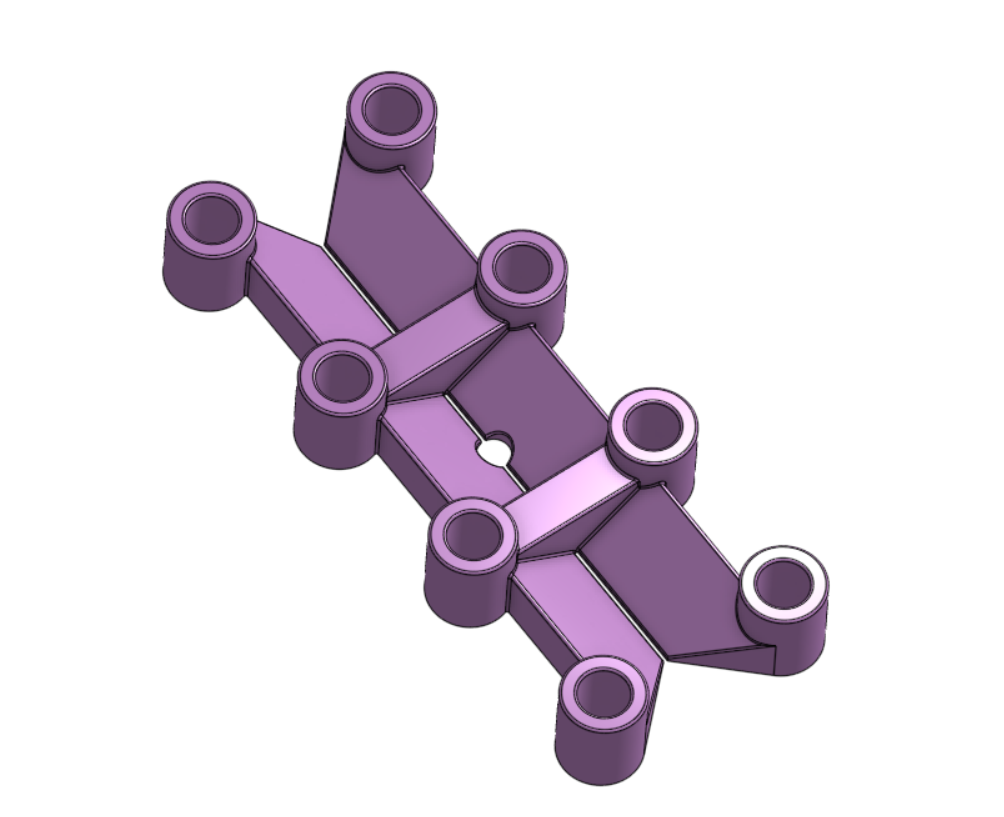
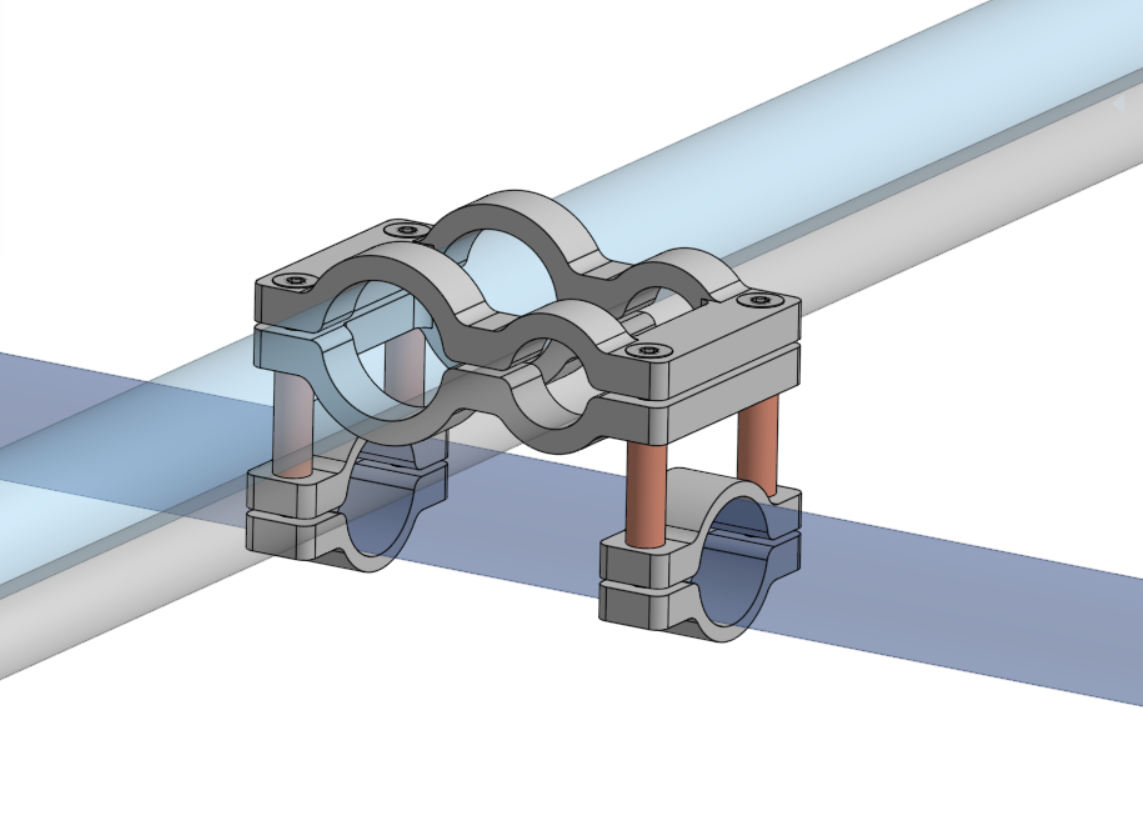
As a member of the Mechanical subteam for Olin Aero, I am designing internal structures for our vertical takeoff and landing (VTOL) aircraft, which will compete in this year's national SUAS competition. I am solely responsible for the Motor Junction: a CNC-milled aluminum component that connects the fuselage to the motors via carbon-fiber rectangular tubes. This part sits at the intersection of structural performance, cost, and manufacturability, and its design is tightly coupled to the carbon-fiber tubing available on the market.
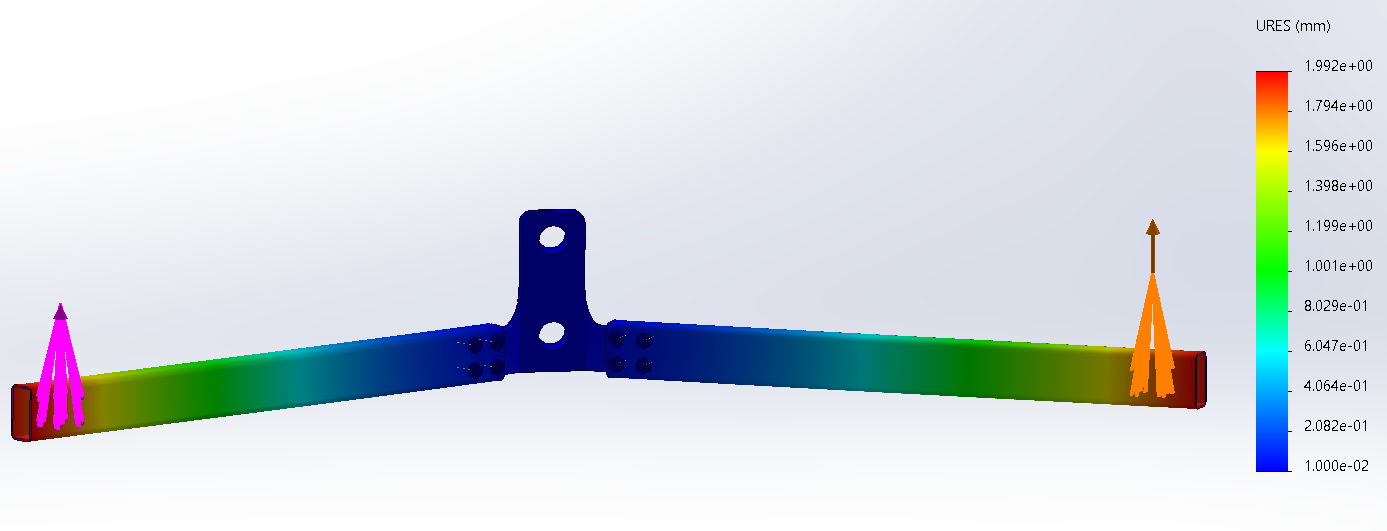
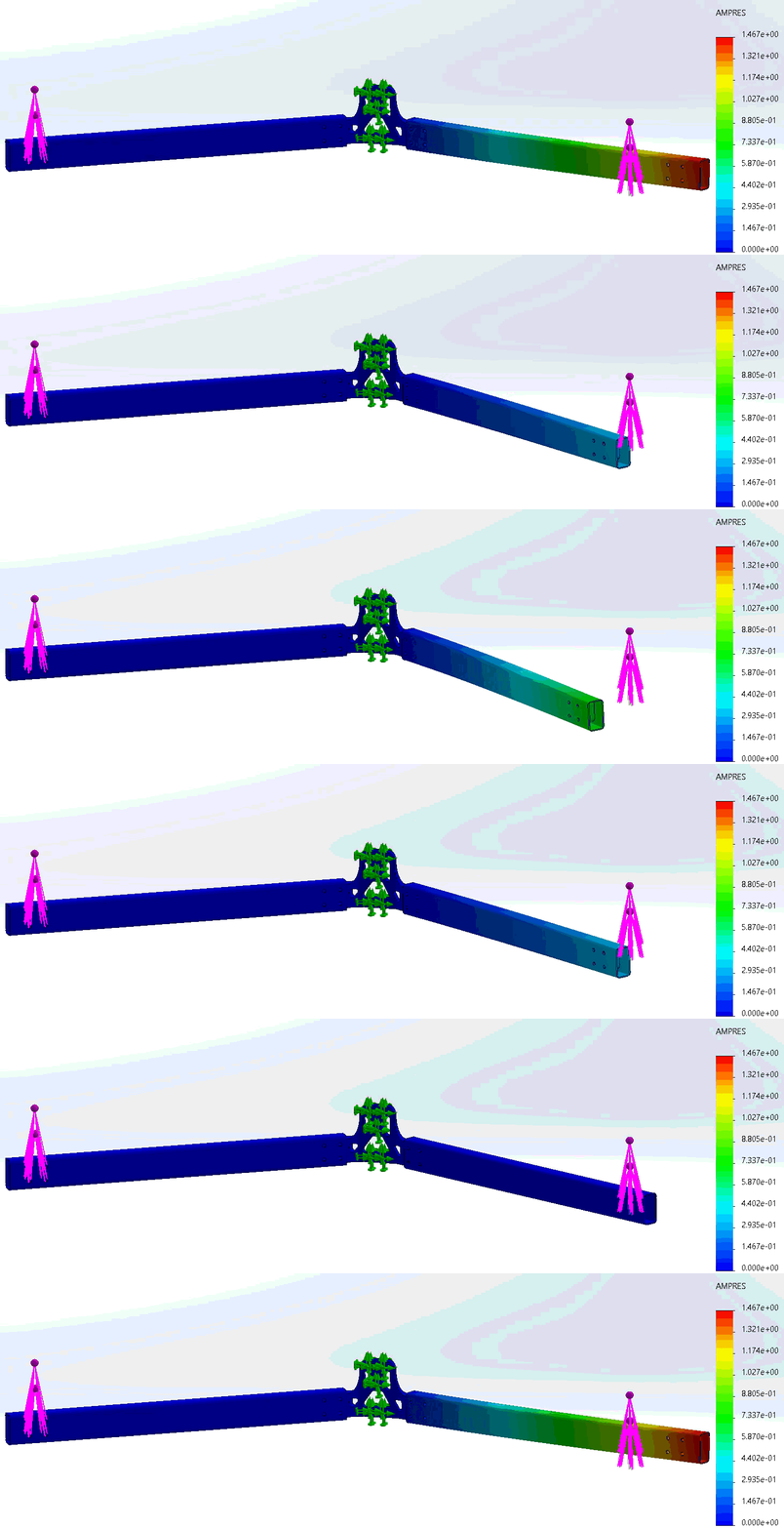
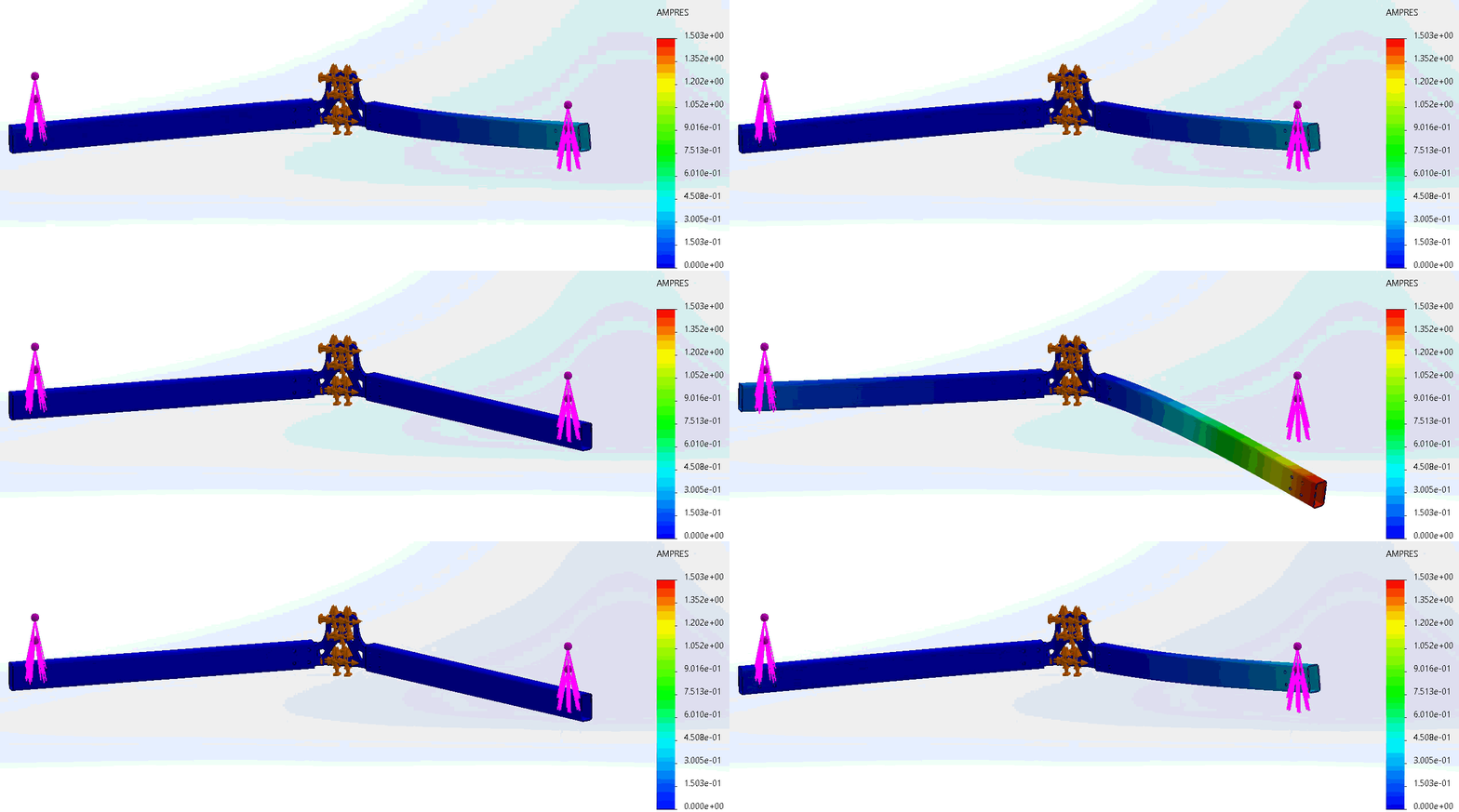
A key challenge in this design was the tight coupling between the aluminum motor junction and the commercially available carbon-fiber tubing. Each tube option varied in stiffness, strength, wall thickness, and cost, directly affecting the required aluminum geometry and interface features. At the same time, changes to the aluminum design altered load paths and system-level behavior, creating a "chicken-and-egg" problem where neither component could be finalized independently. To resolve this, I iteratively modeled candidate tube options, redesigned the aluminum interfaces, and used SolidWorks FEA to evaluate strength, stiffness, and resonance of the combined system until a lightweight, strong, and cost-effective solution was identified.
The final design was validated in SolidWorks to withstand worst-case propeller thrust, propeller reaction torque, and dynamic loading without resonance issues. Currently, I am using Fusion 360 CAM to generate machining toolpaths for production. This project is strengthening my understanding of coupled structural design, simulation-driven iteration, and precision manufacturing in aerospace systems.
This work is ongoing and will fill with additional content in the future.

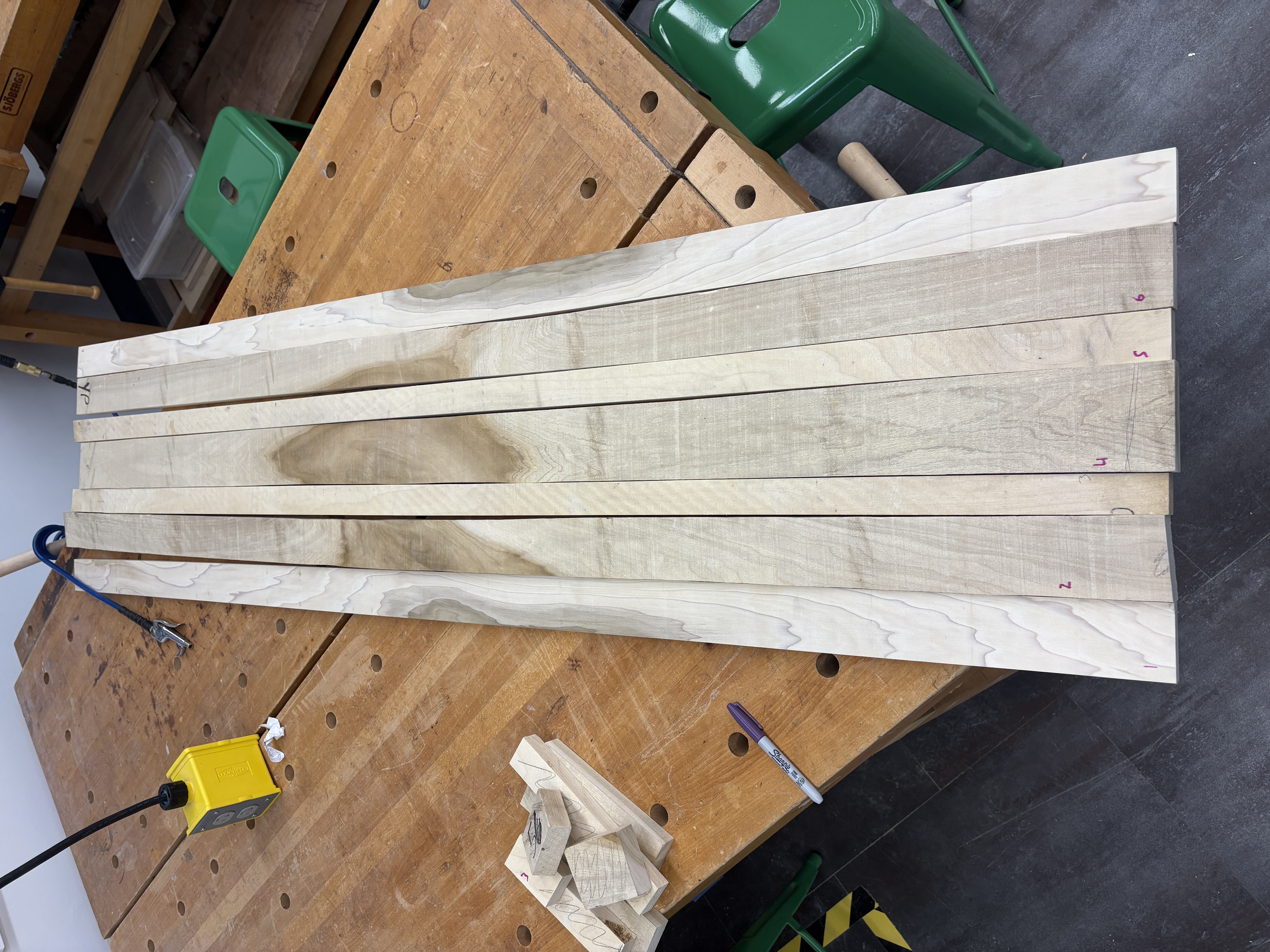
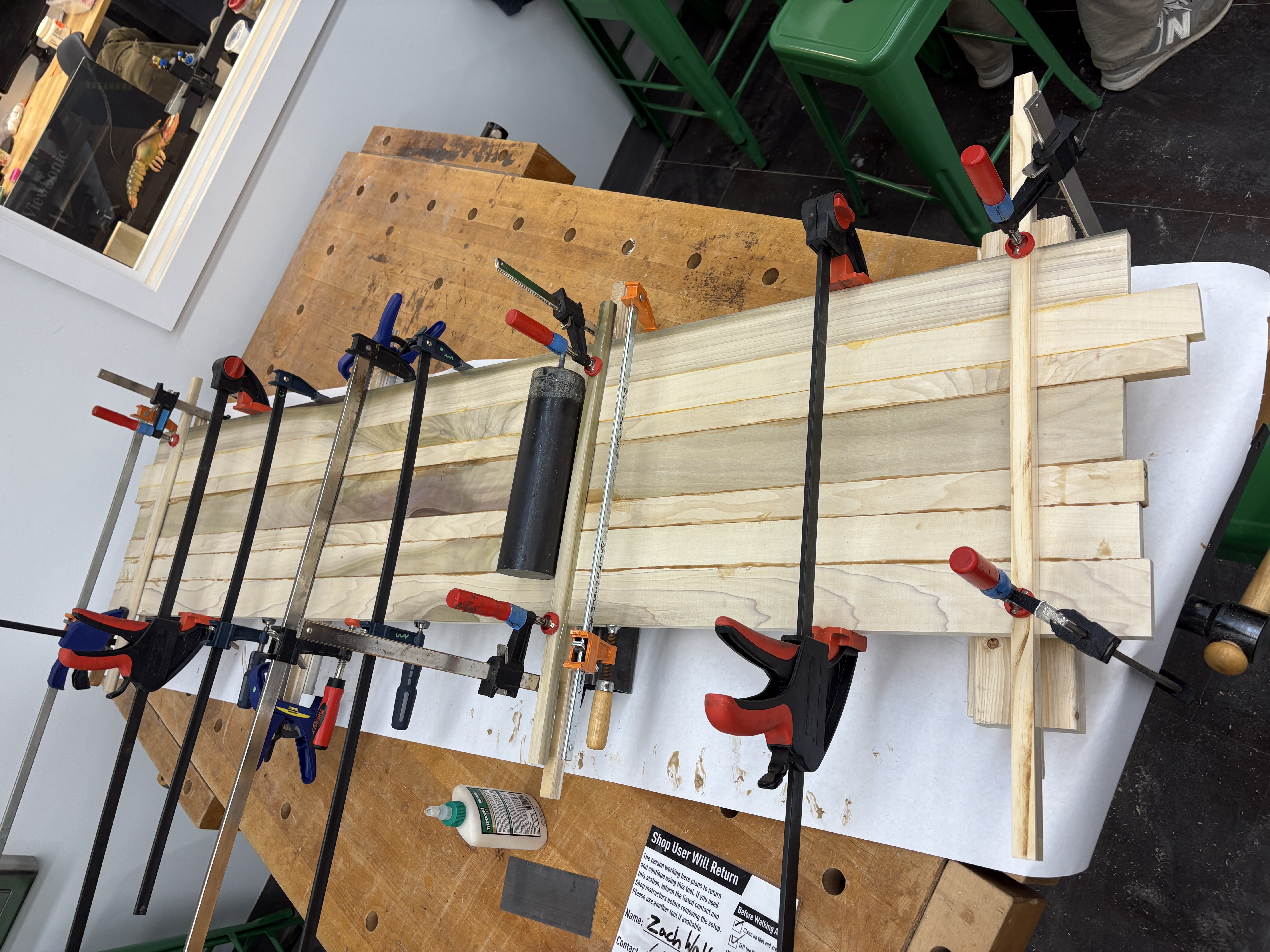
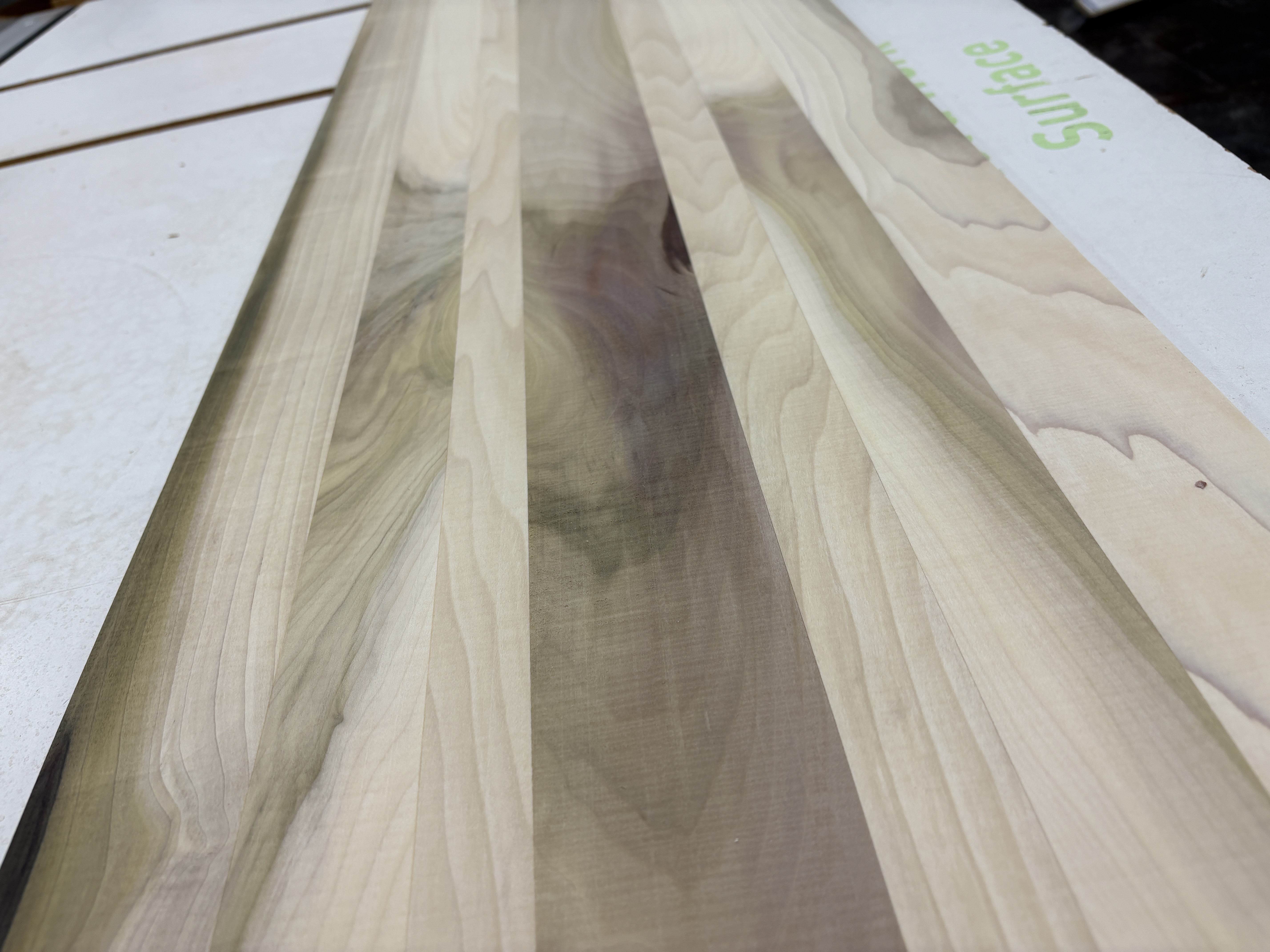
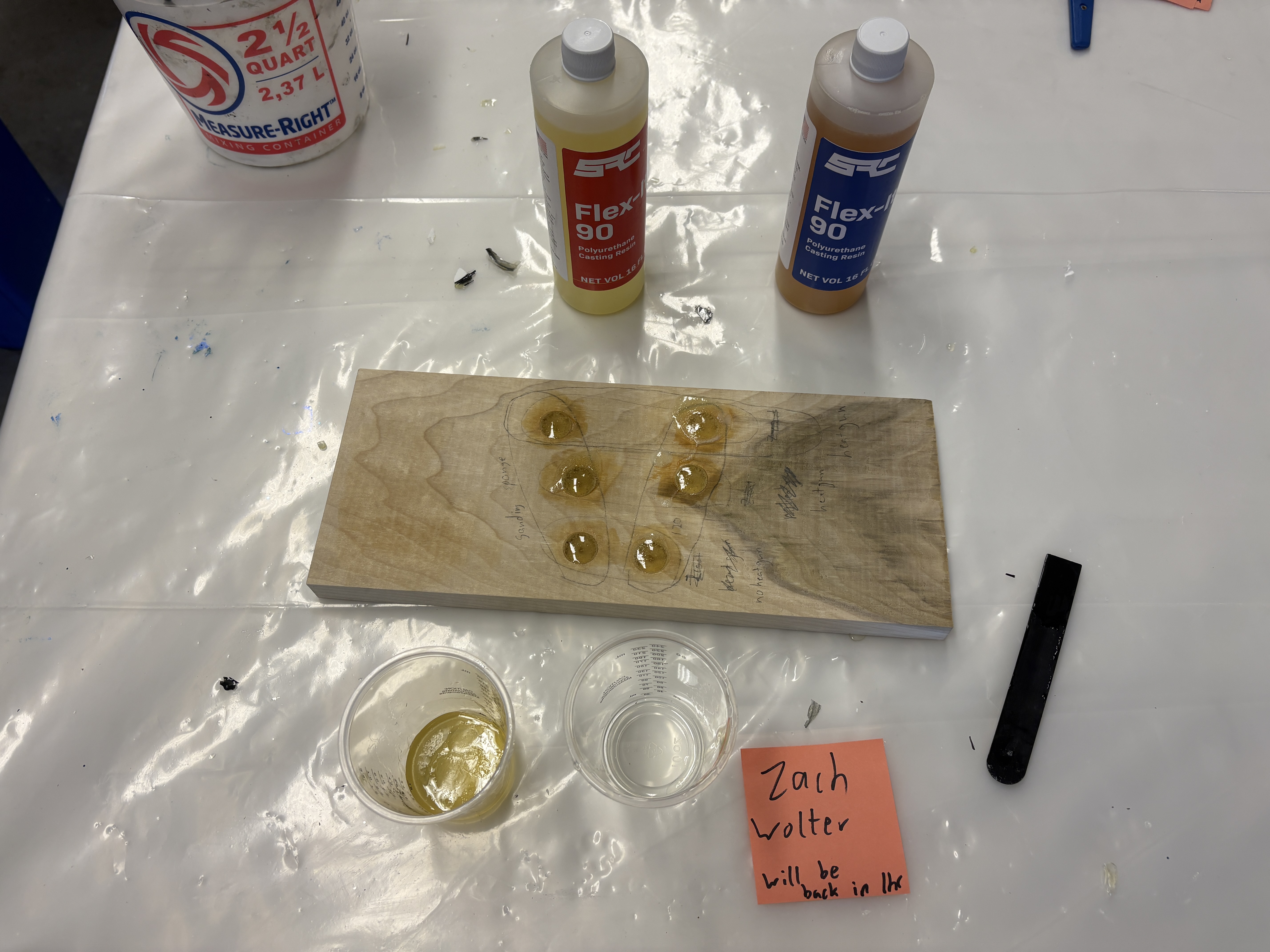
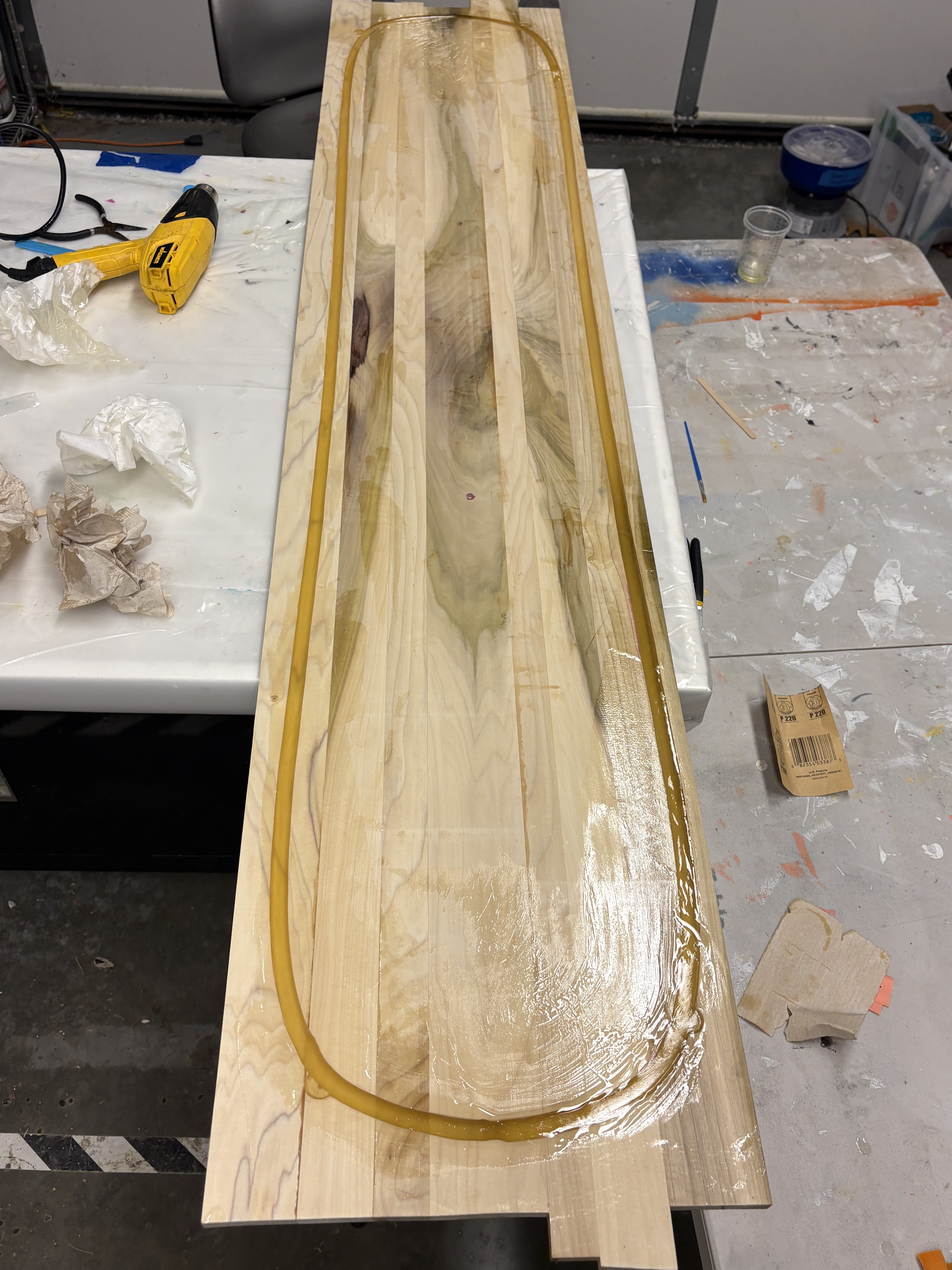
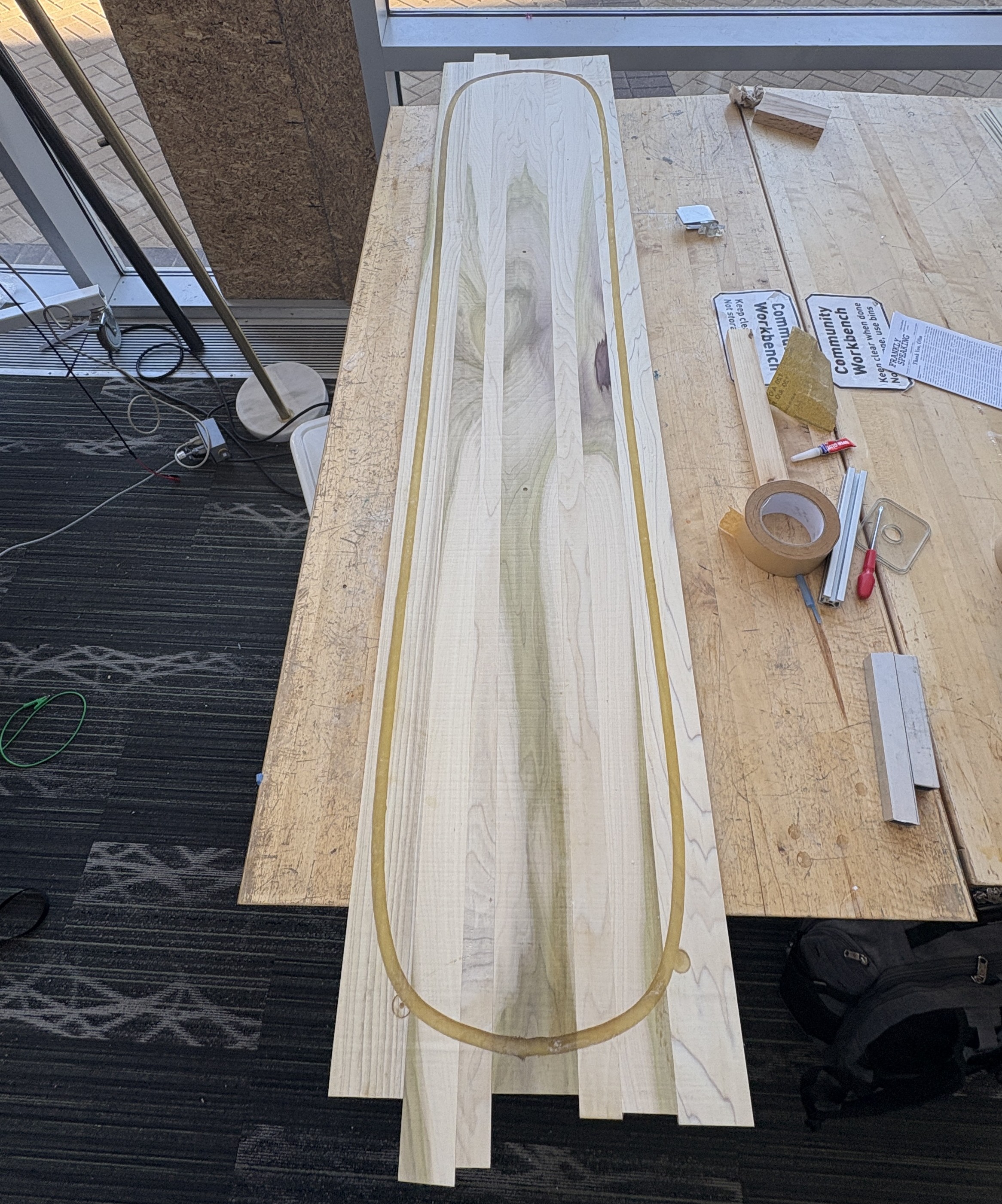
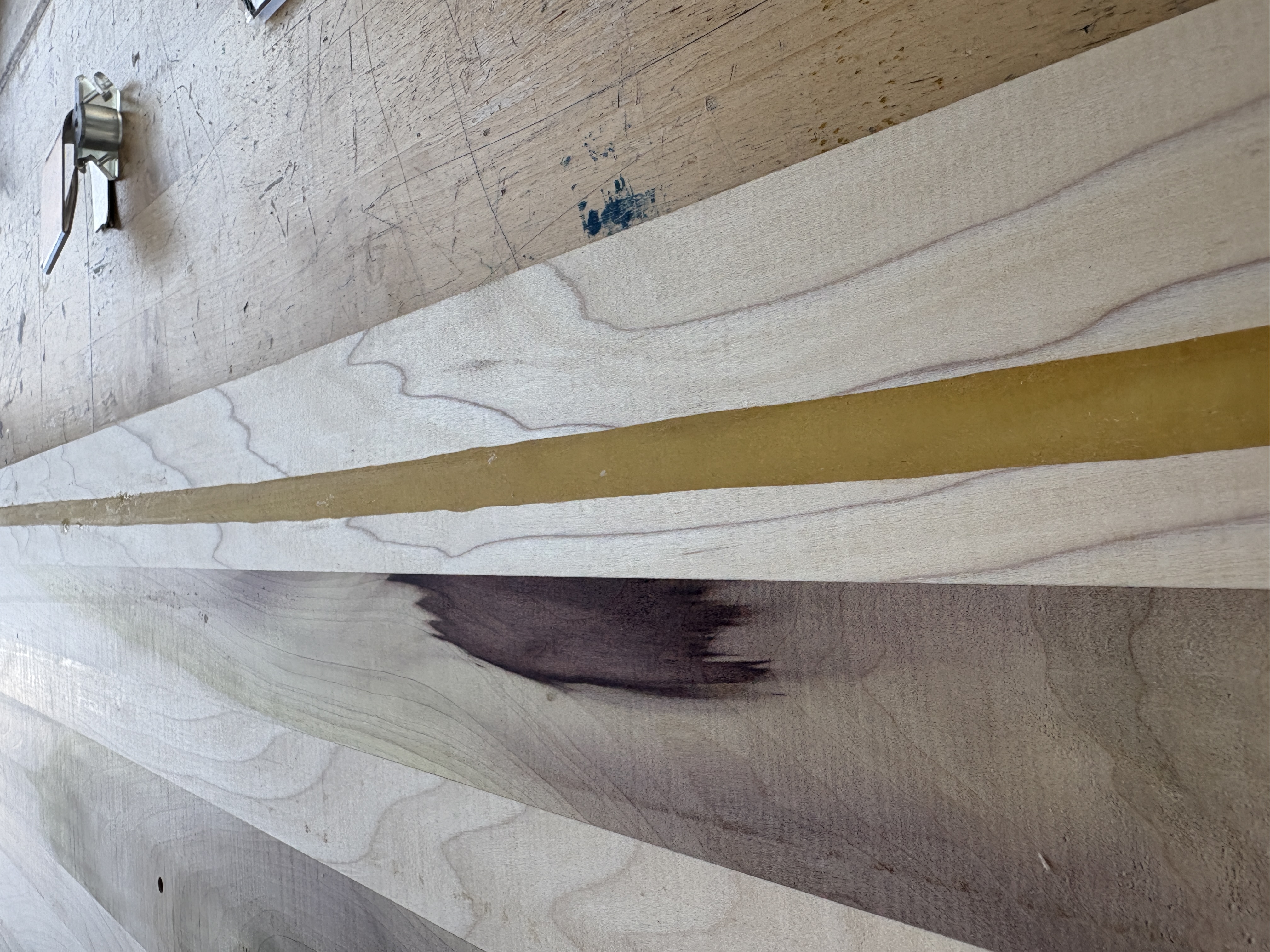
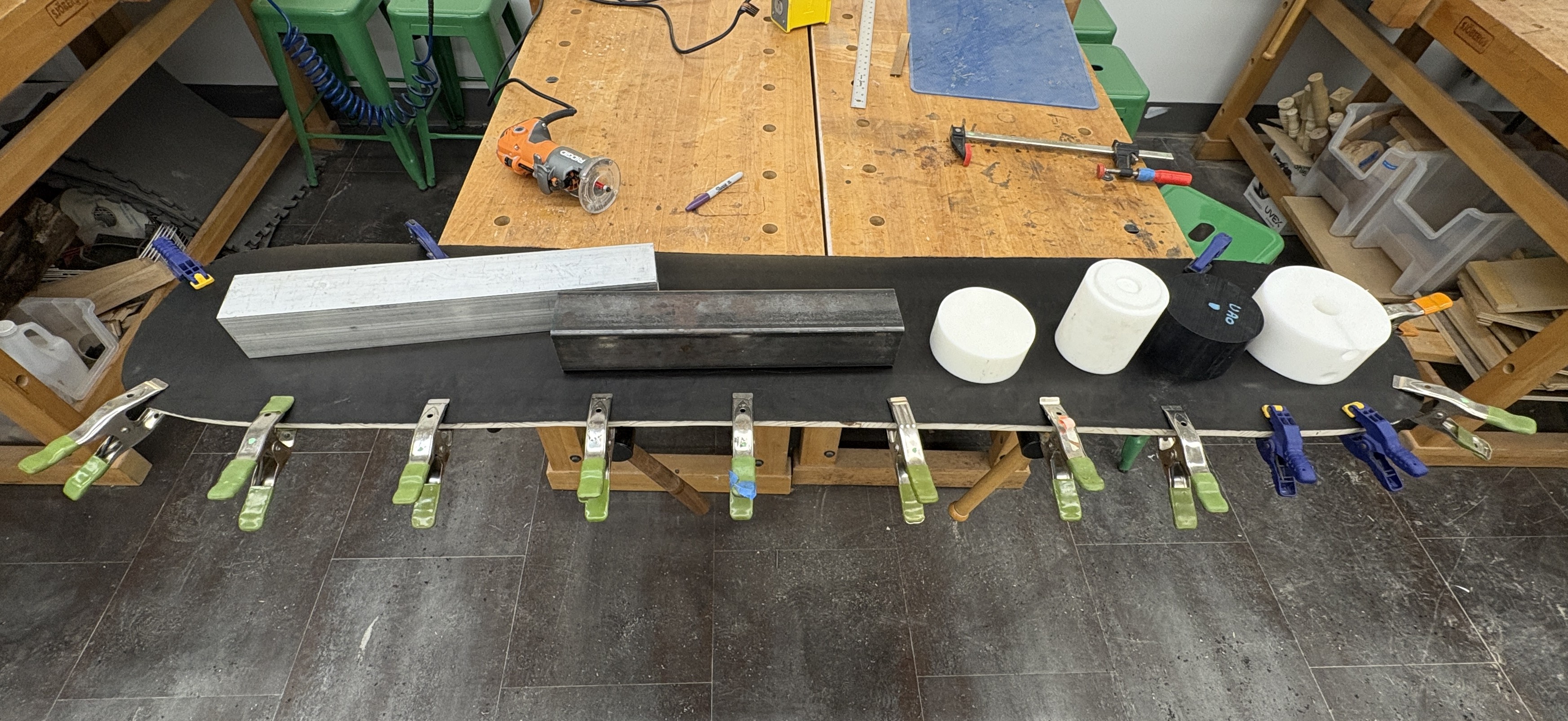
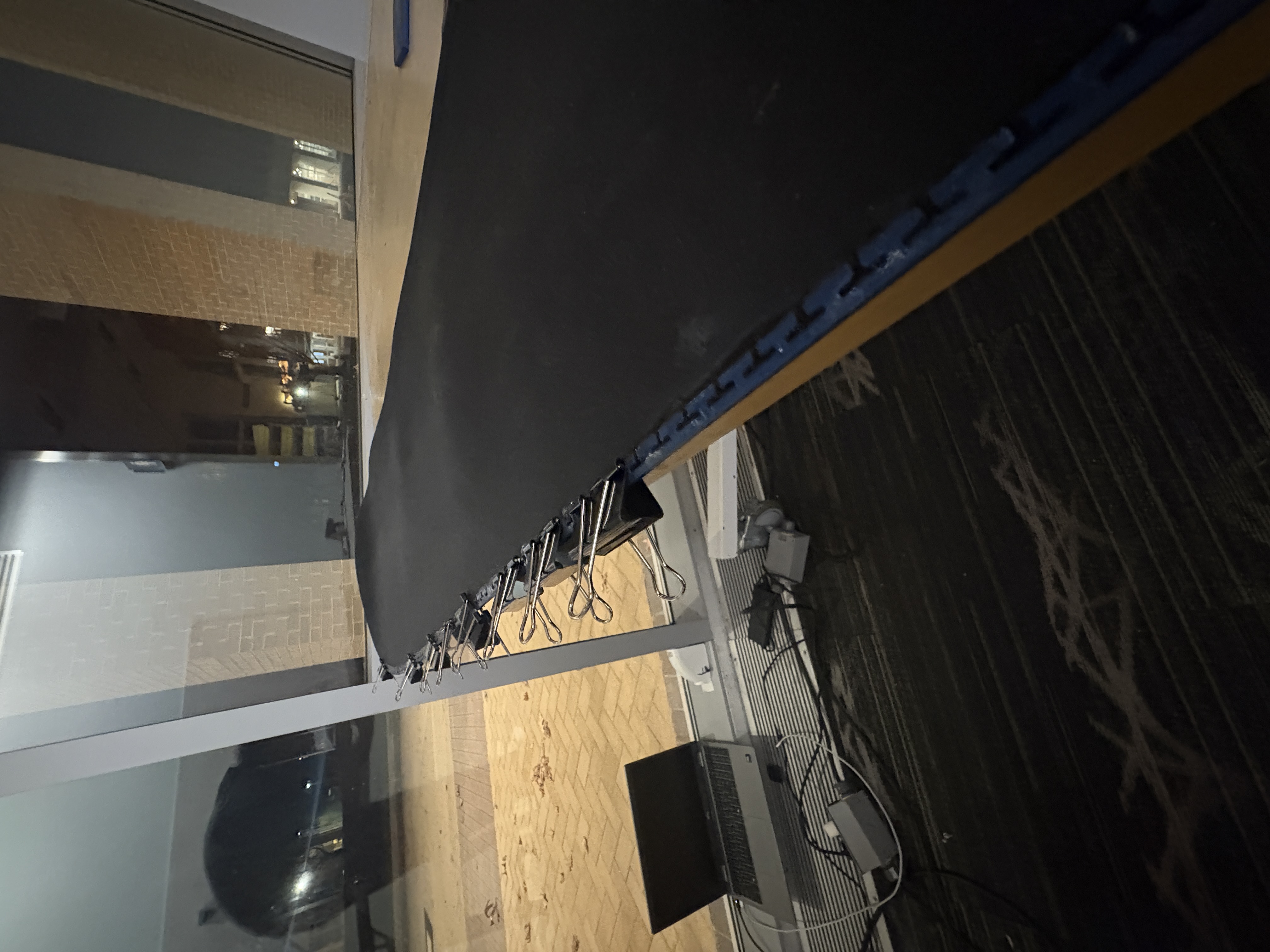
I am designing and manufacturing a fully custom snowboard from scratch, combining engineering with my passion for snowboarding to create a board that is both technically refined and personally meaningful. This project explores how material selection, geometry, and structural layering influence ride, feel, flex, and durability. The snowboard features a poplar wood core, wrapped by an urethane resin for moisture protection, reinforced with fiberglass cloth and epoxy resin for rigidity, a polyethylene (P-tex) base, and a woodveneer topsheet for UV protection. Each layer's composition, thickness, and orientation are carefully engineered to achieve balanced flex, efficient load transfer, and reliable long-term performance.
This project involves shaping a cambered profile and refining the manufacturing process to balance performance with practical fabrication. I am applying wood shaping and composite layup techniques methods while managing material interfaces. Through this process, I am strengthening my understanding of material properties, stress distribution, and structural optimization, connecting my engineering work to my passion for snowboarding. The result is a snowboard engineered for both performance and manufacturability, combining technical precision with hands-on craftsmanship.
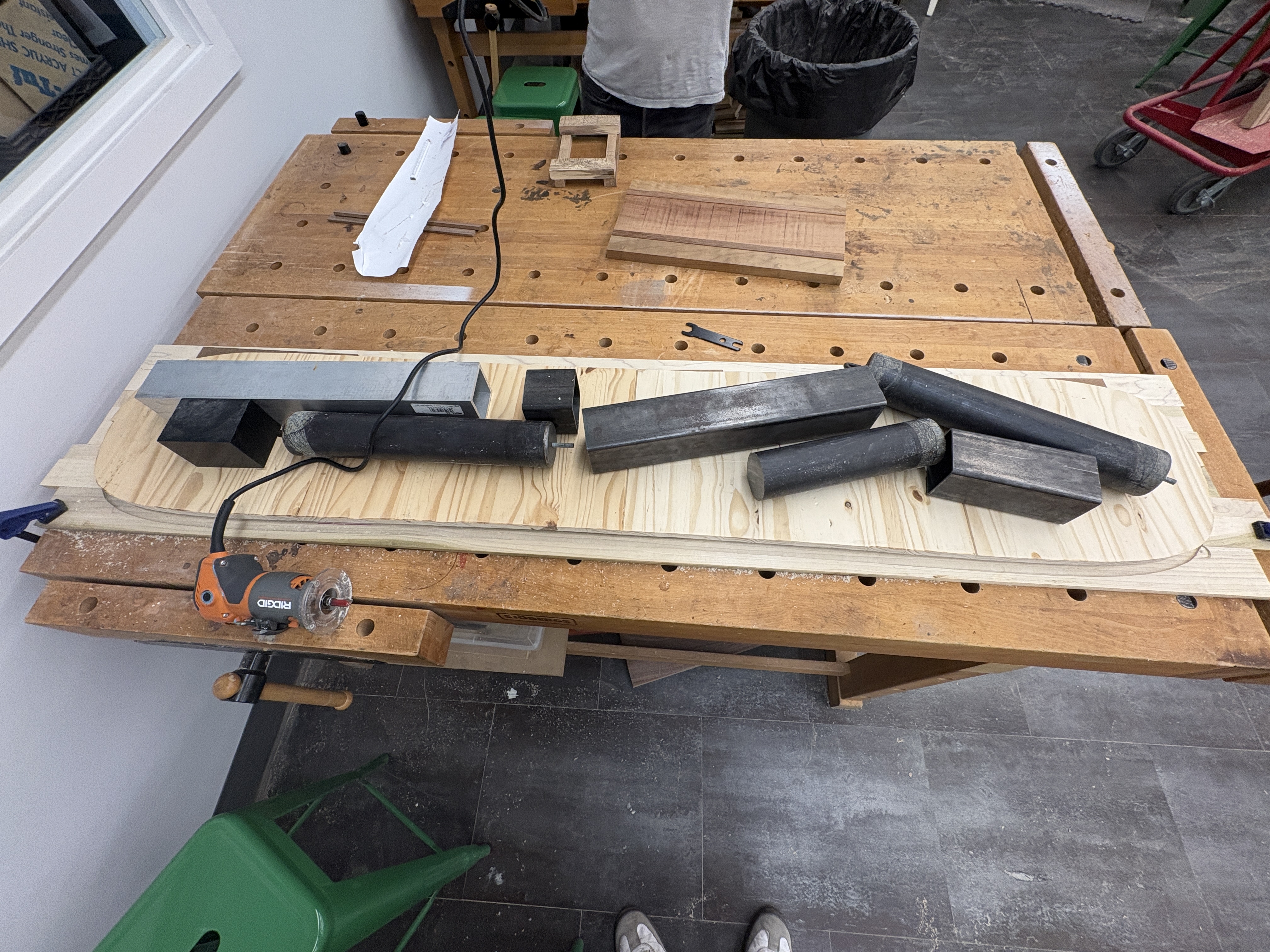
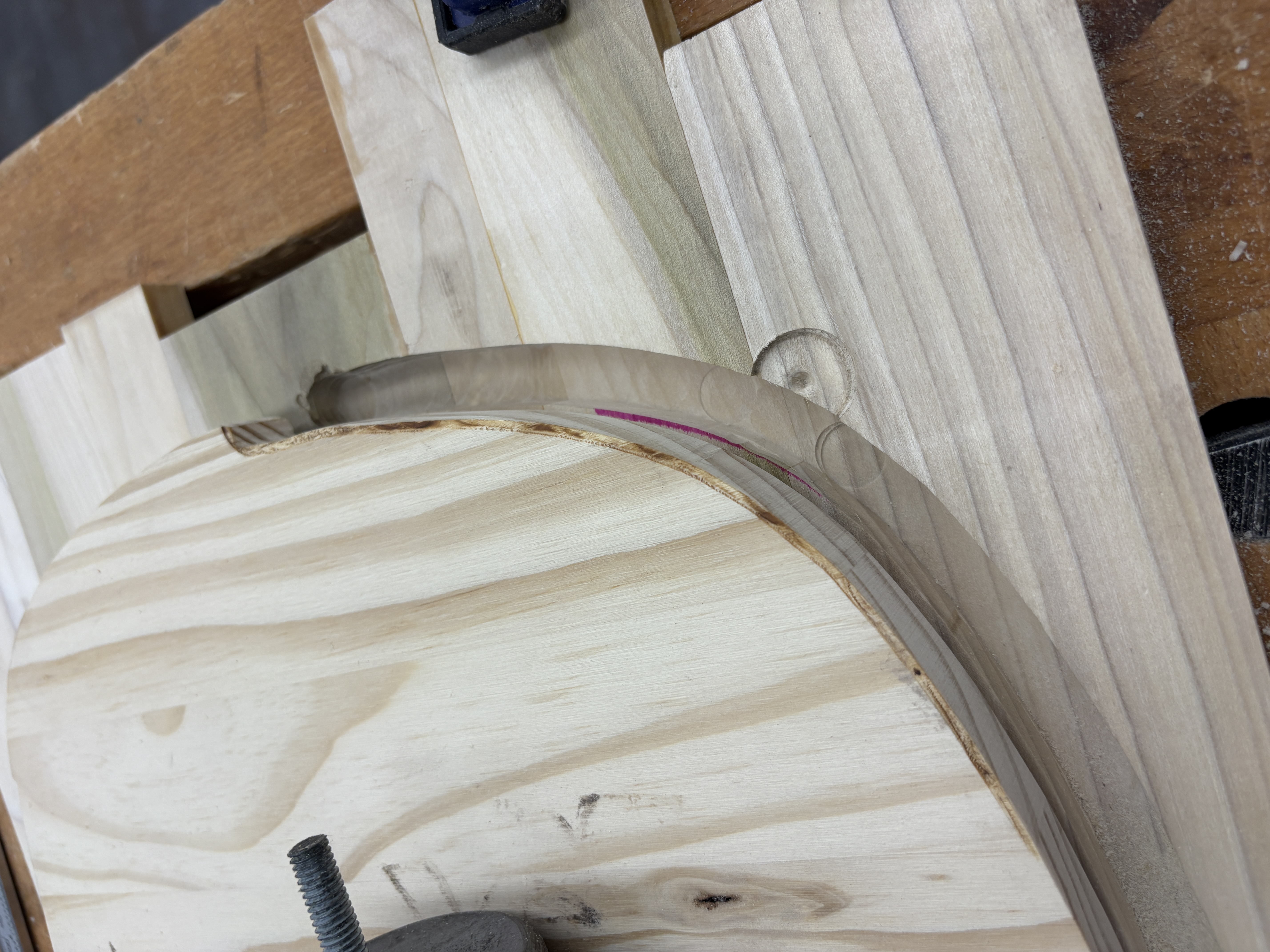
I have also designed various 3D printed parts to assist in fabrication, including a drill guide for the binding insert holes, as well as a thickness guide. The thickness guide is a triangular wedge that is attached to the underside of the wooden core as it is passed through the planer, creating a core that tapers in thickness.
This work is ongoing and will fill with additional content in the future.
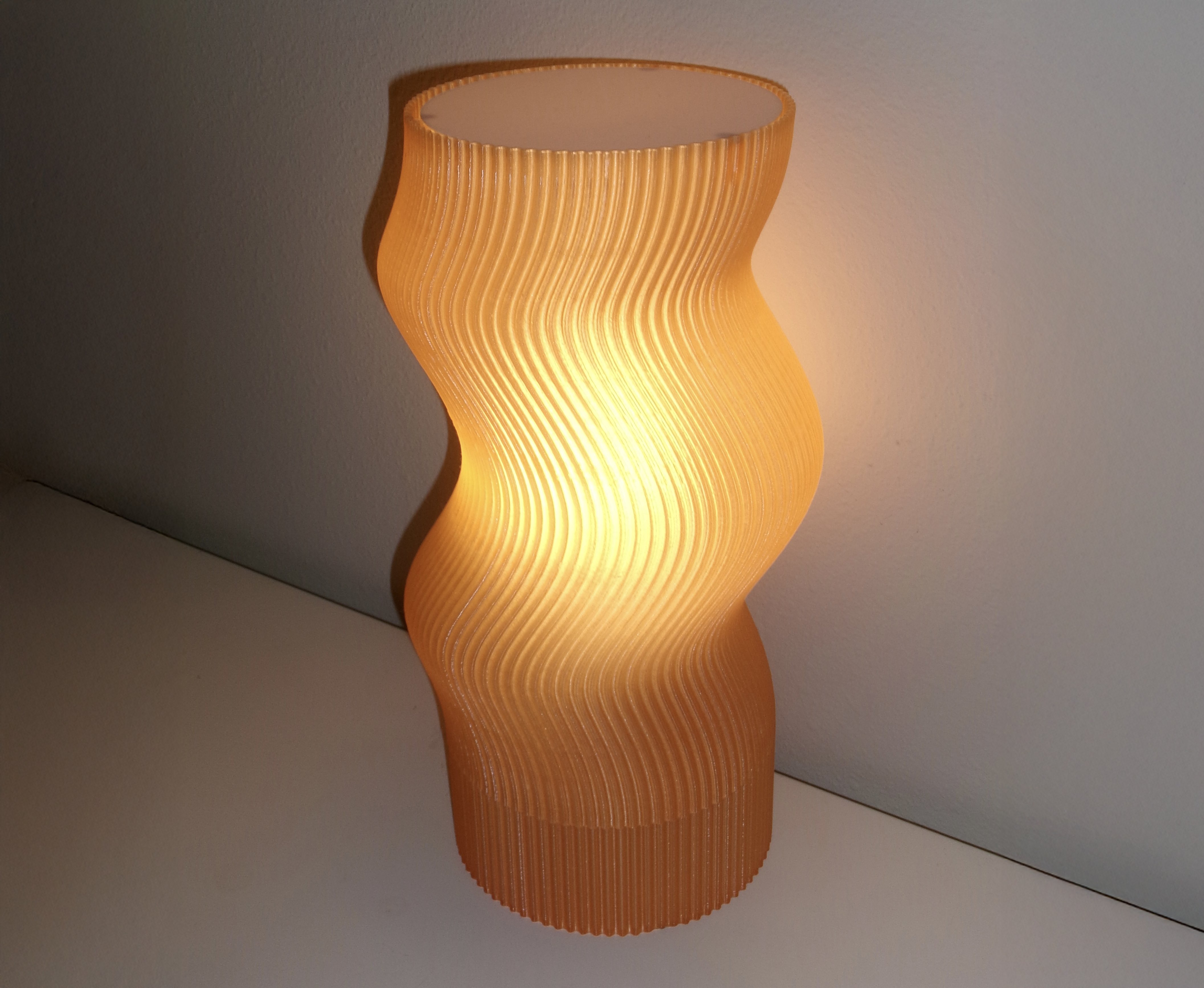
I designed and 3D printed an original lamp inspired by mid-century modern architecture, featuring a clean, wavy form and warm translucent orange glow. Printed in PETG, the lamp is composed of two main sections - the base and the body - and is designed to hold a standard E26 light bulb socket with the cord exiting discreetly out the back. I experimented with different print parameters and layer counts to achieve optimal light diffusion and color while maintaining structural integrity. The spacing between the bulb and the inner surface was carefully chosen to balance brightness with heat management, and the lamp uses a low-wattage LED to ensure the PETG remains cool and warp-free during long-term use. The modular design allows many different lamp bodies to be created while remaining compatible with the same base, and I plan to design and 3D print additional variations to build a cohesive collection with the same mid-century modern art direction.
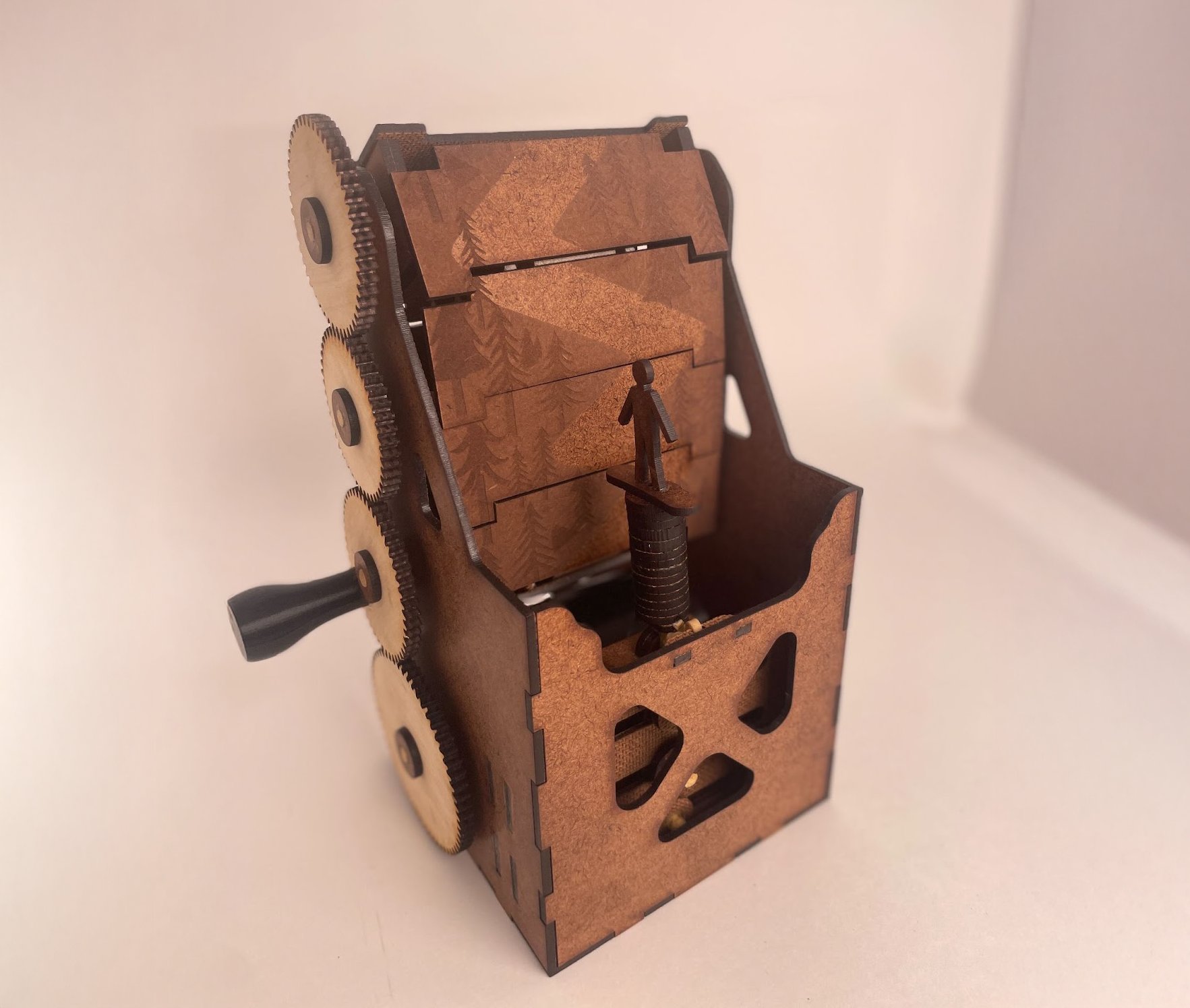
The automata combines artistic design with mechanical precision to create the illusion of a snowboarder carving down a mountain. Inspired by my passion for snowboarding, I set out to design an automata that captures the dynamic side-to-side motion of a snowboarder turning across a slope while a revolving background scrolls upward to mimic downhill motion. The project required designing, modeling, and fabricating a planar mechanism driven by a hand crank, integrating both laser-cut and 3D-printed components.
The motion system consists of several interconnected mechanisms. A 3D-printed barrel cam converts the crank's rotation into smooth side-to-side translation of the snowboarder, guided by pin slots and nylon bushings to reduce backlash and friction. The snowboarder's orientation is controlled through a rotating sleeve and rubber band system that keeps the board pointed in the direction of motion. Behind the rider, a continuous tread - laser-rastered with snowy trails, trees, and rocks - revolves upward on string-linked tracks, completing the illusion of downhill movement. The entire drive train relies on carefully aligned gears, dowels, and bushings to maintain precise, fluid motion.
Throughout the process, I developed a deeper understanding of mechanical tolerances, friction management, and dynamic motion design. I iterated through multiple prototypes to refine movement and assembly. Problem-solving was essential, reducing follower friction with WD-40 and redesigning the tread linkage for better flexibility and rotation. This project strengthened my mechanical design and fabrication skills while bringing together engineering and creativity to express motion and character through a purely mechanical system.
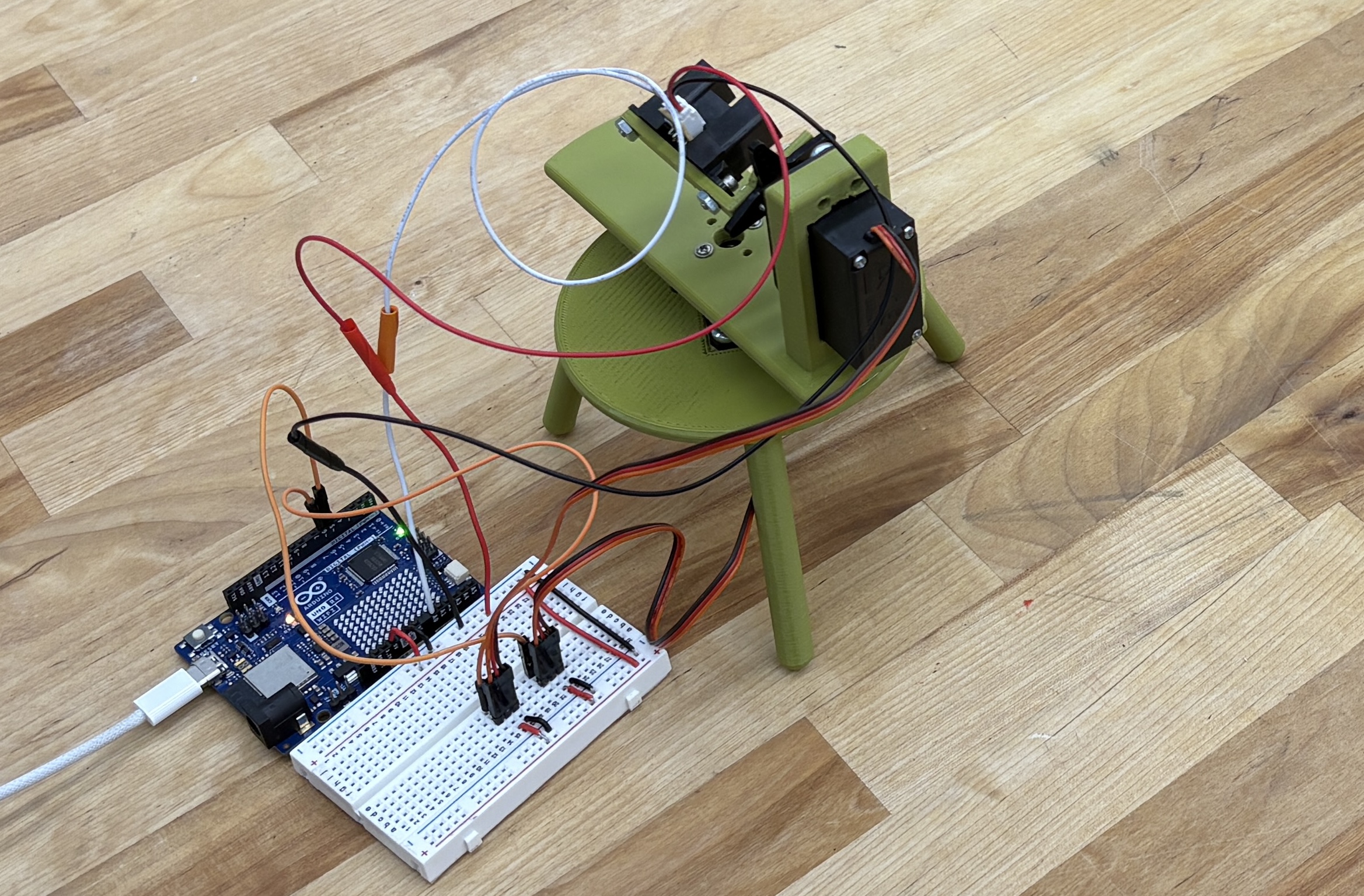
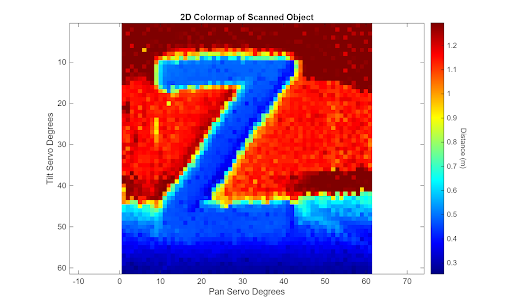
For this partner project, my teammate and I designed and built a DIY 3D scanner capable of visualizing a physical object using an infrared distance sensor and a dual-servo pan-and-tilt mechanism. The system was programmed to record distance data as the sensor swept across both horizontal and vertical planes, allowing us to generate a detailed 2D heatmap representation of the object. We used 3D printed components as the framing of our physical system, with the IR sensor kept at the center of rotation for both axes. Our sensors and servo are in communication with an Arduino Uno R4. Our data pipeline spanned three programming environments: Arduino for servo control and measurement, Python for serial data capture, and MATLAB for calibration, processing, and visualization.
Through this project, we developed a strong understanding of sensor calibration, servo control, and the integration of hardware with software. We implemented a custom calibration curve for the infrared sensor to accurately map voltage readings to distance, achieving an average error of only 1.4 cm. On the mechanical side, we gained experience designing for stability, precision, and ease of assembly, while our programming work emphasized data management and cross-platform communication. The project demonstrated our ability to merge mechanical design, electronics, and computational tools into a cohesive and functional scanning system.
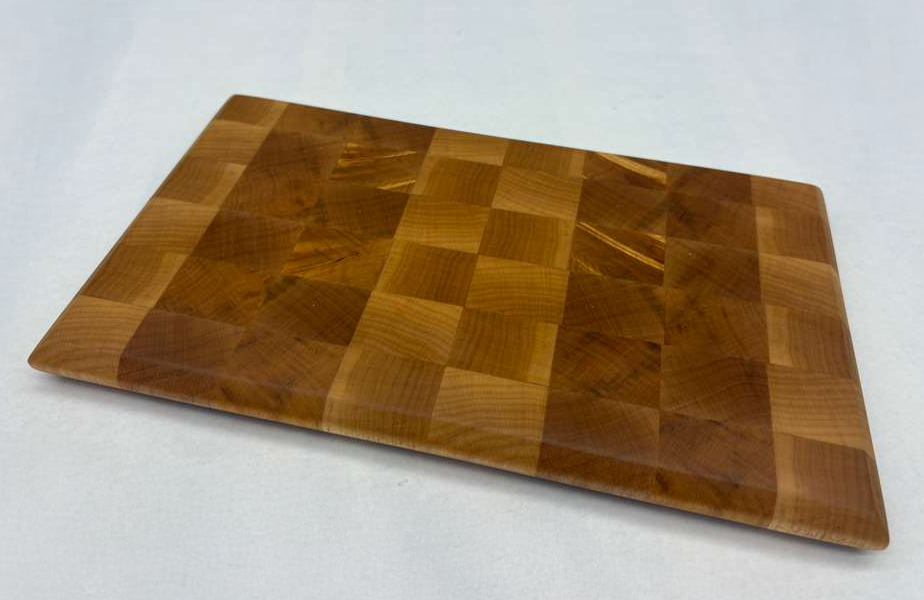
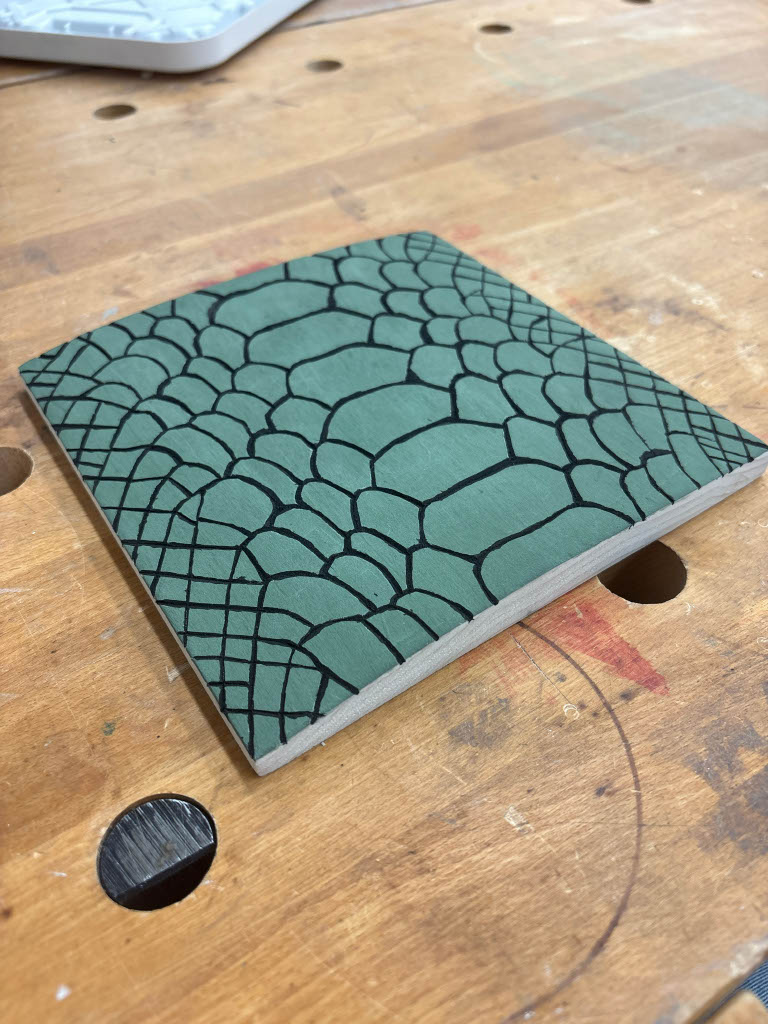
Over the course of my projects, I’ve developed a strong appreciation for working with wood. It’s a challenging process, but incredibly rewarding when a piece comes together. Training on a wide range of tools and machines for my snowboard project sparked my passion for both the craft and the material. While I’m still a beginner, I’ve genuinely enjoyed creating pieces like picture frames, a cutting board, and a snakeskin sculpture so far.
For this project, I designed and built a bio-inspired mechanical hopper modeled after the click beetle, an insect known for its simple two-part body structure and powerful hinge-driven jump. The goal of the project was to study the biomechanics of natural jumpers and translate those mechanisms into an engineered prototype capable of substantial vertical motion. My design focused on efficiency and simplicity, using only a single hinge connecting two body segments to replicate the beetle's rapid energy release. Laser-cut components were used for precision, and I conducted carbon and material-use calculations to optimize both performance and sustainability.
Beyond the technical design, this project emphasized learning the engineering design process, from research and ideation to prototyping and testing. I set personal performance goals, including achieving a minimum jump height of six feet, which reflected my motivation to push limits and continually improve - both in engineering and in athletics. This experience strengthened my skills in CAD modeling, mechanical analysis, and sustainable material use while deepening my understanding of biomimicry and efficient energy transfer in dynamic systems.
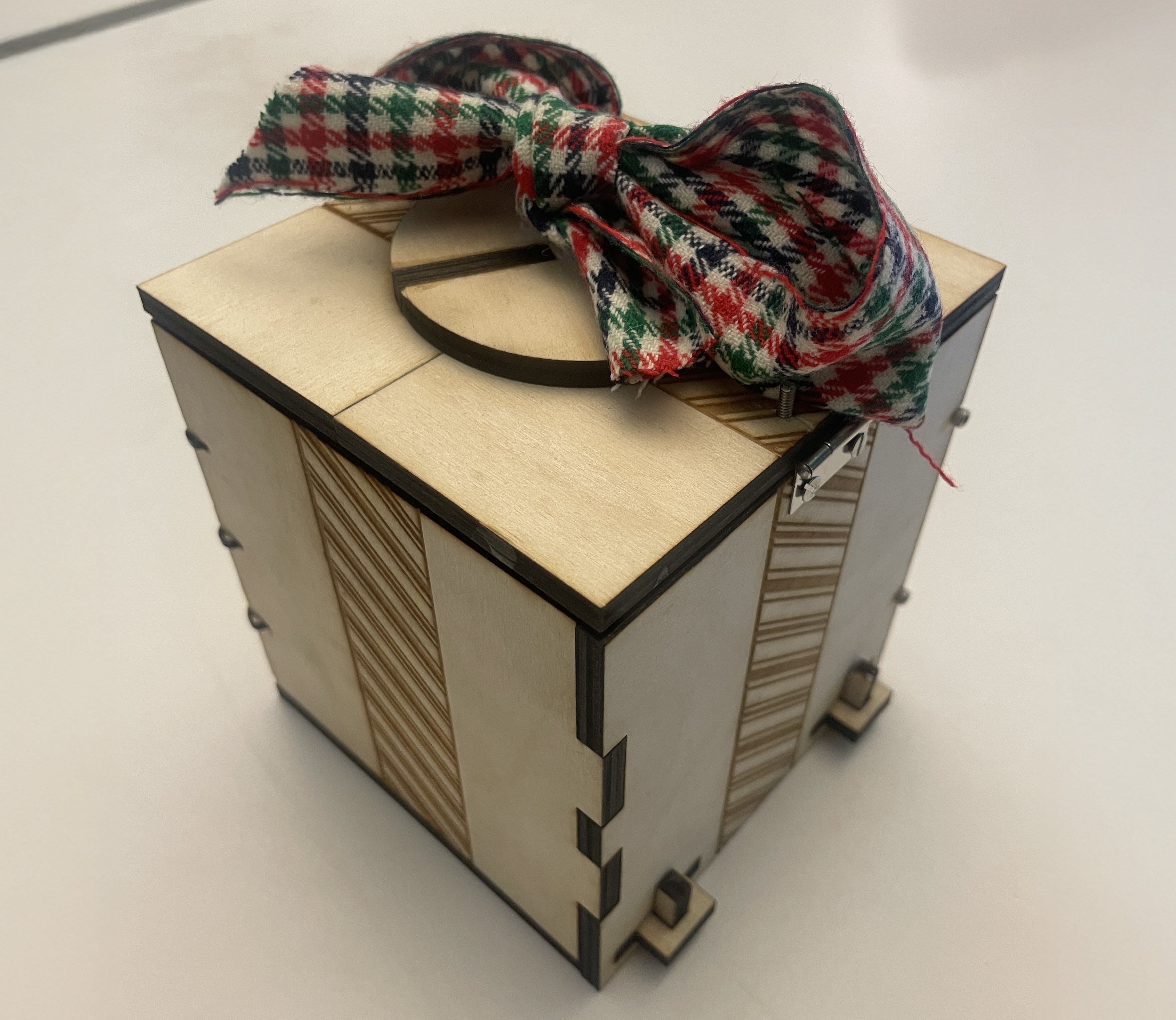
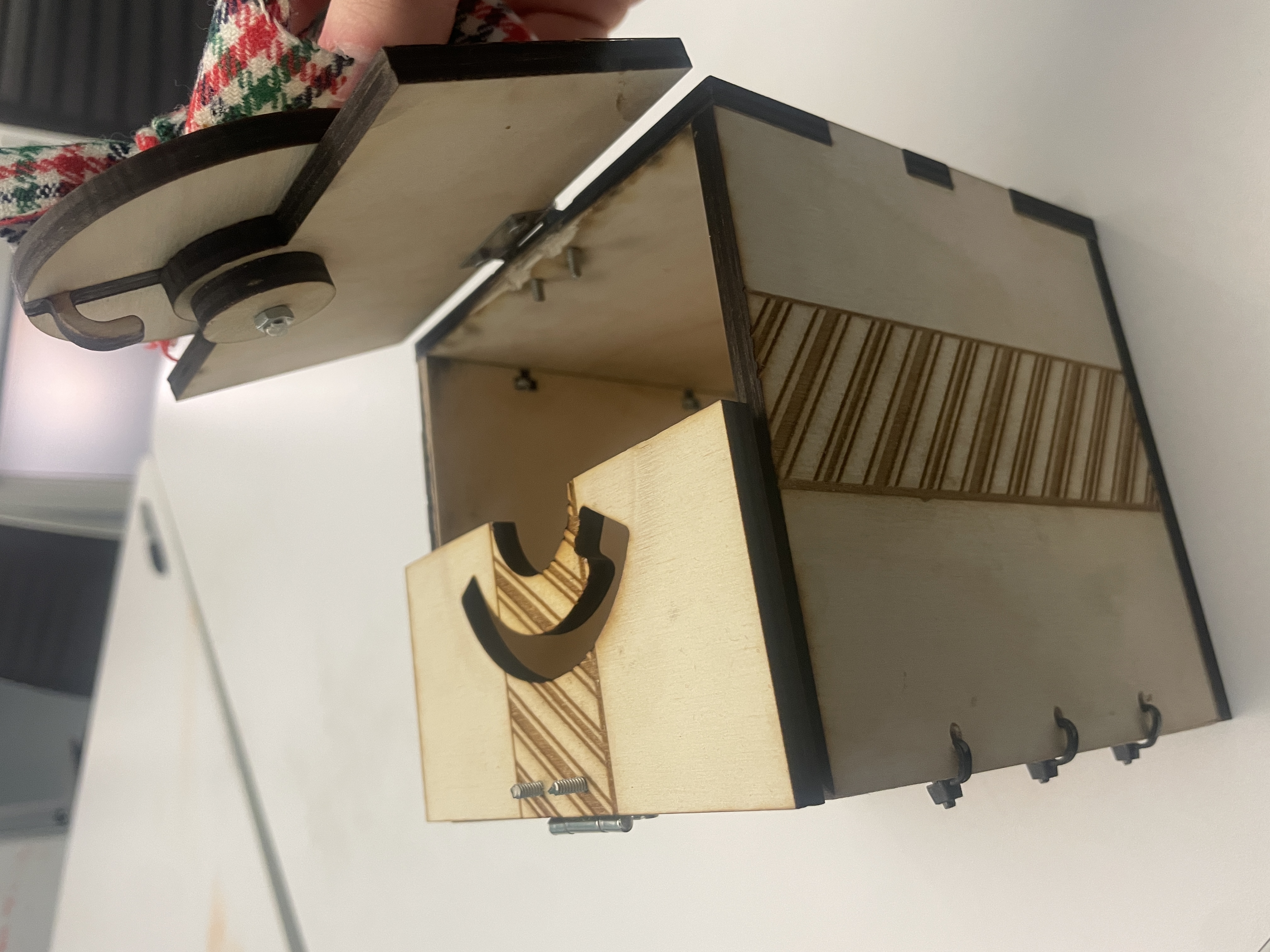
For this project, I designed and built a mechanical box featuring a complex lid locking mechanism that combined multiple joints and fasteners. The design incorporated six joint types butt, rabbet, box, mortise and tenon with wedge, miter butt, and hinge - and four fasteners: wood glue, nuts and bolts, nails, and zip ties. To increase complexity, I added a rotational element to the lid that only opens when the bowtie is twisted, requiring careful attention to part fit and engagement. The mechanism uses a claw that fits into a swept path and rotates to lock the lid securely. My process included early sketches, CAD assembly, cardboard prototyping to test geometry, iterative updates to the CAD model, and finally laser-cutting and assembling the final design.
This project strengthened my skills in CAD modeling, laser cutting, and prototyping while deepening my understanding of the strengths and limitations of different joints and fasteners. Key challenges included perfecting part fit and designing the lid mechanism using only laser-cut components, which I addressed with the claw-and-swept-path system. Overall, this project emphasized precision, iteration, and problem-solving in mechanical design.
You can connect to me on LinkedIn or reach me directly at zmwolter@gmail.com or with the form below.